

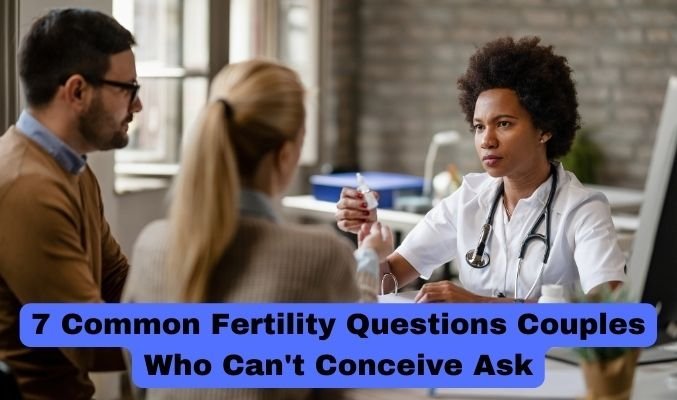
Trying for pregnancy can become emotionally tiring when every month ends with another negative test. Some couples start tracking ovulation. Some change diet, reduce stress, or try supplements. Some keep waiting because they fear that seeing a fertility doctor means IVF will be the next step.
That is not true.
Fertility Management in Kolkata should begin with a clear evaluation, not pressure. At Dr Vinita Khemani’s clinic, many couples come with one honest worry: “Are we too early to consult, or are we already late?” Couples looking for couple-focused fertility evaluation before choosing treatment usually need clarity on ovulation, sperm health, fallopian tubes, uterus, cycle pattern, age, and how long they have been trying.
When should couples consult infertility doctors in Kolkata?
Couples should consider fertility evaluation after 12 months of regular unprotected intercourse if the woman is under 35, or after 6 months if she is 35 or older. Earlier consultation is sensible if periods are irregular, PCOS is suspected, endometriosis is known, miscarriage has happened more than once, sperm issues are already known, or the woman is over 40.
A practical timing guide:
| Situation | When to Seek Evaluation |
|---|---|
| Woman under 35 with regular cycles | After 12 months of trying |
| Woman 35 or older | After 6 months of trying |
| Woman over 40 | Earlier evaluation is advisable |
| Irregular or absent periods | Do not wait 12 months |
| Known PCOS, endometriosis, fibroids, or pelvic infection | Consult earlier |
| Previous miscarriage more than once | Needs medical review |
| Male partner has known sperm concerns | Both partners should be evaluated |
| Painful periods or pain during sex | Needs gynecologic assessment |
The American Society for Reproductive Medicine states that evaluation is usually started after 12 months when the female partner is under 35 and after 6 months when she is 35 or older: ASRM — Definition of Infertility.
1. What does infertility actually mean?
Infertility usually means pregnancy has not happened after regular unprotected intercourse for the expected time period based on age. It does not mean pregnancy is impossible.
That distinction matters.
Many couples hear the word “infertility” and feel labelled. In clinical practice, it is more useful to treat it as a signal to investigate. The goal is to understand whether ovulation is happening, whether sperm parameters are healthy, whether the fallopian tubes are open, whether the uterus is suitable for implantation, and whether age, timing, or medical conditions are reducing the chance of pregnancy.
Sometimes the reason is clear. Sometimes two or three smaller factors overlap. Sometimes initial reports look normal and the couple is diagnosed with unexplained infertility.
A good fertility consultation should not begin with treatment pressure. It should begin with diagnosis.
2. Should both partners be tested?
Yes. Both partners should be evaluated.
This is one of the most common gaps in fertility care. Because the woman carries the pregnancy, testing often starts with her and quietly stays there. But pregnancy depends on both egg and sperm health. Semen analysis is usually one of the simplest early tests and should not be delayed out of discomfort or assumption.
The CDC explains that infertility can involve female factors, male factors, or a combination of both. It also notes that pregnancy depends on several steps: ovulation, sperm fertilization, movement through the fallopian tube, and implantation inside the uterus: CDC — Infertility FAQs.
A couple-focused evaluation may include menstrual history, ovulation review, pelvic ultrasound, hormone tests where needed, tubal assessment, and semen analysis. The exact test plan should be decided after history and examination, not copied from a generic package.
3. What female factors commonly affect fertility?
Female fertility can be affected by ovulation problems, PCOS, endometriosis, blocked fallopian tubes, fibroids near the uterine cavity, uterine polyps, thyroid imbalance, low ovarian reserve, age-related egg changes, pelvic infection history, or previous surgery.
Symptoms often give useful clues.
Irregular periods may suggest irregular ovulation. Heavy bleeding may point toward fibroids, polyps, or hormonal imbalance. Severe period pain may raise suspicion of endometriosis. Acne, weight gain, facial hair, missed periods, or long gaps between cycles may suggest PCOS.
For women with irregular cycles, missed periods, acne, weight concerns, or ovulation-related difficulty, reading about PCOS and PCOD evaluation for cycle and fertility concerns may help connect symptoms with the need for proper assessment.
The point is not to self-diagnose. The point is to notice patterns early enough to avoid months of avoidable delay.
4. What male factors should not be missed?
Male fertility problems may involve low sperm count, poor sperm movement, abnormal sperm shape, hormonal issues, varicocele, previous infection, diabetes, smoking, alcohol use, heat exposure, certain medicines, anabolic steroid use, or past surgery.
A semen analysis gives useful information about sperm concentration, movement, and shape. If the report is abnormal, it may need repeating because sperm parameters can change after fever, illness, stress, lifestyle changes, medication exposure, or lab variation.
Couples should avoid two common mistakes. One is assuming that the male partner does not need testing. The other is panicking after one abnormal report.
Reports need interpretation. Fertility care should be respectful and blame-free.
5. What should Fertility Management in Kolkata include before treatment starts?
Fertility care should start with a structured diagnosis-first plan before any treatment is chosen. The first goal is to understand the couple’s timeline, age, menstrual pattern, ovulation, sperm report, fallopian tube status, uterine factors, medical history, and pregnancy goals.
A useful first-stage plan may include:
- cycle and ovulation review
- pelvic ultrasound
- semen analysis
- thyroid and prolactin tests when indicated
- ovarian reserve assessment where appropriate
- tubal evaluation when needed
- review of painful periods, heavy bleeding, or past infection
- medication and lifestyle review
- discussion of how long the couple has been trying
This is where experience matters. Two couples may both say, “We have been trying for one year,” but their treatment pathways may be completely different. One may have irregular ovulation. Another may have a male-factor issue. Another may need tubal testing. Another may need reassurance and timed intercourse guidance.
A good fertility plan should answer: “What is likely reducing our chance of pregnancy, and what is the next sensible step?”
6. Can lifestyle changes improve fertility?
Lifestyle changes cannot correct every fertility problem, but they can improve the background conditions in which natural conception or treatment is planned.
Weight extremes, smoking, alcohol, poor sleep, uncontrolled diabetes, thyroid imbalance, and sedentary habits can affect reproductive health. Men also need lifestyle review because sperm production may be affected by heat exposure, smoking, alcohol, anabolic steroids, certain medicines, fever, and long-term illness.
Useful changes may include:
- stopping smoking
- limiting alcohol
- improving sleep routine
- managing weight safely
- correcting anemia, thyroid, diabetes, or vitamin deficiencies if present
- avoiding self-prescribed fertility medicines
- tracking cycles without becoming obsessive
- timing intercourse around the fertile window
Lifestyle advice should not become a reason to delay medical evaluation. If a couple has already crossed the recommended trying period, they should seek assessment while improving daily habits.
7. Does seeing a fertility doctor mean IVF is next?
No. Seeing a fertility doctor does not automatically mean IVF.
Many couples need simpler steps first: cycle tracking, ovulation confirmation, lifestyle correction, PCOS management, thyroid correction, infection treatment, semen analysis review, tubal testing, or medicines to support ovulation when appropriate.
IVF may be discussed when tubes are blocked, sperm factors are severe, ovarian reserve is low, age-related time pressure is significant, endometriosis is advanced, previous simpler treatments have failed, or the couple’s medical situation makes IVF more suitable.
The decision should be explained clearly. A couple should understand why IVF is being discussed, what alternatives exist, what reports support the recommendation, and what expectations are realistic.
Myths vs facts couples often hear
| Myth | Fact |
|---|---|
| “If periods are regular, fertility is always normal.” | Regular periods are reassuring, but they do not check tubes, sperm, uterus, or egg quality. |
| “Only the woman needs testing.” | Both partners should be evaluated. |
| “Stress alone explains infertility.” | Stress can affect wellbeing and timing, but fertility concerns should not be dismissed as stress without evaluation. |
| “IVF is the first step for every couple.” | Many couples need diagnosis and simpler treatment before IVF is considered. |
| “One normal ultrasound means everything is fine.” | Ultrasound is useful, but it does not assess every fertility factor. |
| “A semen test is needed only after female tests are normal.” | Semen analysis is usually an early part of couple-based evaluation. |
What to bring to your first fertility consultation
A prepared consultation saves time and prevents repeated guessing.
Carry:
- dates of the last 3–6 periods
- how long you have been trying
- previous ultrasound reports
- thyroid, prolactin, AMH, or hormone reports if available
- semen analysis if already done
- details of miscarriage, surgery, infection, or painful periods
- current medicines and supplements
- previous fertility medicines or treatment records
- notes on cycle length, flow, pain, acne, weight change, or missed periods
Do not worry if every report is not available. Start with what you have. A good consultation can decide which tests are actually needed next.
When pregnancy happens after treatment planning
Fertility care does not end with a positive pregnancy test. Some women may need early monitoring depending on age, previous miscarriage, PCOS, thyroid problems, diabetes, fertility medicines, or prior complications.
Couples who conceive after a period of infertility often feel both happy and anxious. That is normal. Once pregnancy is confirmed, care should shift toward safe monitoring, early scan planning when advised, and review of medicines. Patients can also read about pregnancy care and monitoring after conception when they are ready for the next stage.
Emotional support matters too
Fertility struggles can affect marriage, mood, sleep, work, intimacy, and self-worth. Couples may feel pressure from family, social events, age, or repeated questions from others.
This emotional load is real.
A fertility consultation should create clarity, not shame. Couples should be able to ask basic questions without feeling judged. They should know what is urgent, what can wait, what needs testing, and what choices are available.
At Dr Vinita Khemani’s clinic, the aim is to help couples move from guessing to a structured plan.
FAQs
How long should we try before seeing a fertility doctor?
Couples should seek fertility evaluation after 12 months of regular unprotected intercourse if the woman is under 35, and after 6 months if she is 35 or older. Earlier review is advisable if cycles are irregular, periods are painful, miscarriage has happened more than once, sperm issues are known, or the woman is over 40. Bring cycle dates, previous reports, and details of how long you have been trying.
What tests should both partners do when pregnancy is not happening?
Both partners usually need evaluation because fertility depends on ovulation, sperm health, fallopian tubes, uterus, timing, age, and medical history. Common first tests may include pelvic ultrasound, ovulation-related tests, hormone review when needed, tubal assessment, and semen analysis. The exact test plan should be decided after consultation rather than choosing a generic fertility package.
Can PCOS stop pregnancy from happening naturally?
PCOS can make pregnancy harder when ovulation is irregular or absent. The effect varies because some women with PCOS ovulate occasionally, while others have long gaps between cycles, weight-related concerns, insulin resistance, or additional fertility factors. A doctor can check whether ovulation is happening and whether treatment is needed before moving to advanced options.
When is IVF usually considered for couples who cannot conceive?
IVF is usually considered when simpler treatment is unlikely to work or has already failed. Common reasons include blocked tubes, severe sperm problems, low ovarian reserve, advanced endometriosis, age-related urgency, or repeated unsuccessful treatment cycles. Couples should ask why IVF is being advised and whether any reasonable non-IVF options remain.
A clearer next step when pregnancy is not happening
When pregnancy is not happening, the next step should not be panic, blame, or random testing. It should be a structured fertility evaluation that looks at both partners and connects symptoms, cycle history, reports, age, and treatment goals.
Keep your menstrual history, previous scans, semen analysis if available, medicine history, and trying timeline ready. Then book a fertility consultation with Dr Vinita Khemani through the clinic appointment page so the next step can be based on evidence, not guesswork.
Medical Disclaimer:
This article is for general patient education only and should not replace personal medical advice, diagnosis, fertility treatment, or pregnancy guidance. Fertility evaluation depends on age, duration of trying, menstrual history, ovulation pattern, semen analysis, ultrasound findings, tubal status, ovarian reserve, medical history, previous pregnancy history, and treatment goals. Please consult a qualified gynecologist or fertility specialist for individualized evaluation and treatment planning.
Have questions about this topic?
Book a consultation with Dr. Vinita Khemani to address your specific concerns and get a personalized care plan.