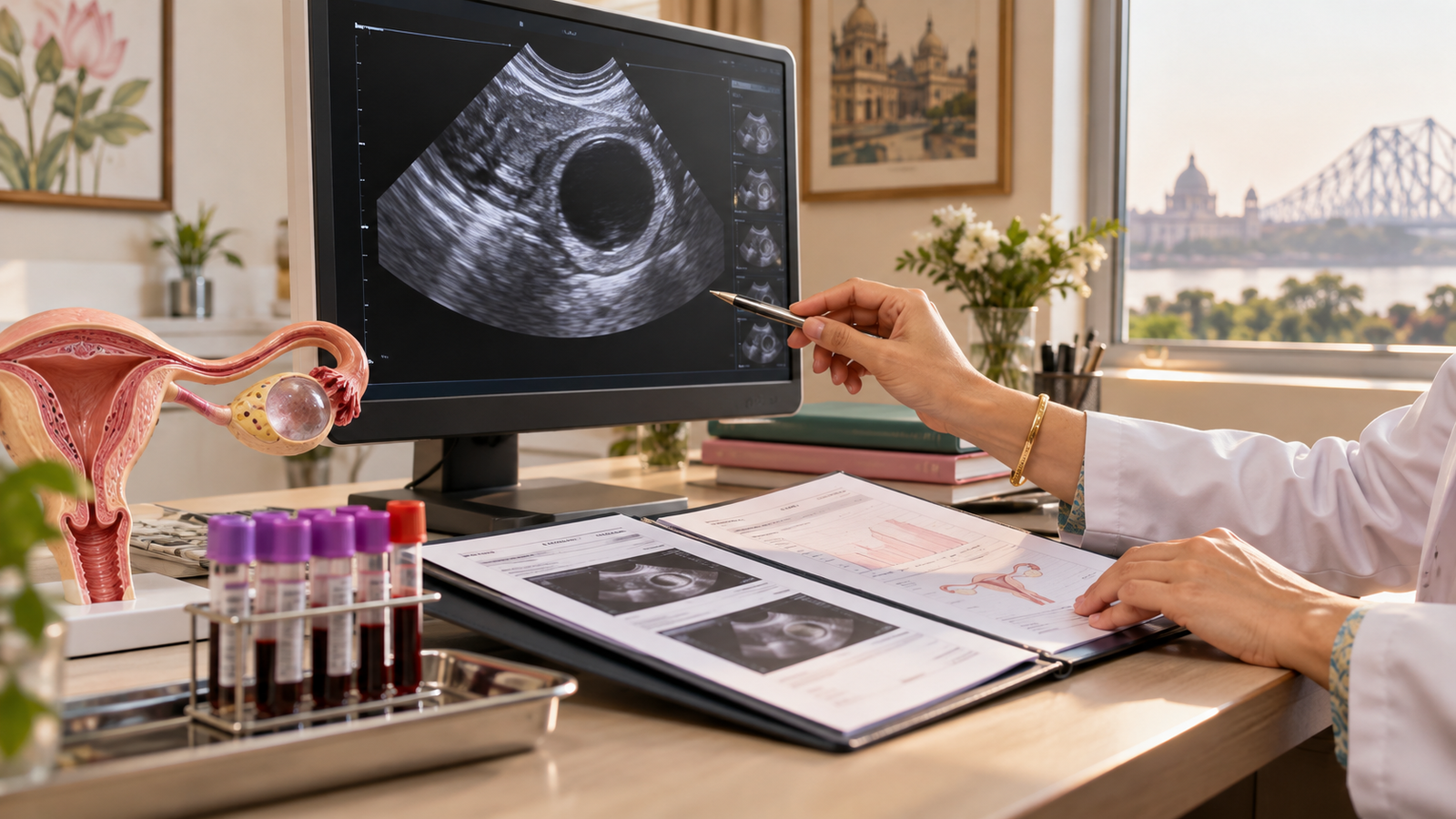
Ovarian Cyst After Menopause? Why Doctors Assess It Differently
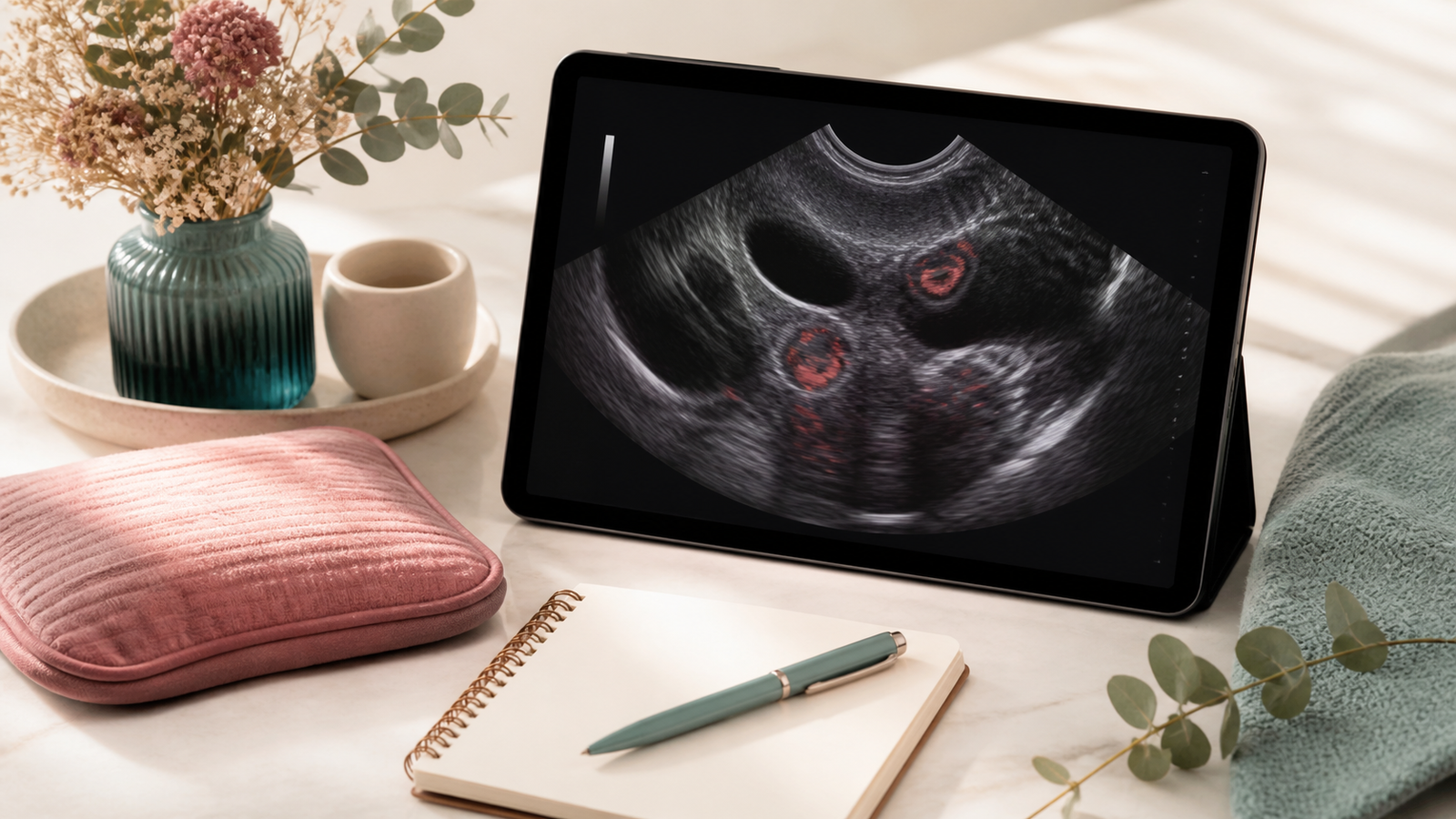
An ovarian cyst after menopause can make any woman anxious. Many women say, “I went for a routine scan and now I am scared because the report says ovarian cyst.”
Explore our collection of articles on pregnancy, fertility, and gynecological health, written by Dr. Vinita Khemani.

An ovarian cyst after menopause can make any woman anxious. Many women say, “I went for a routine scan and now I am scared because the report says ovarian cyst.”

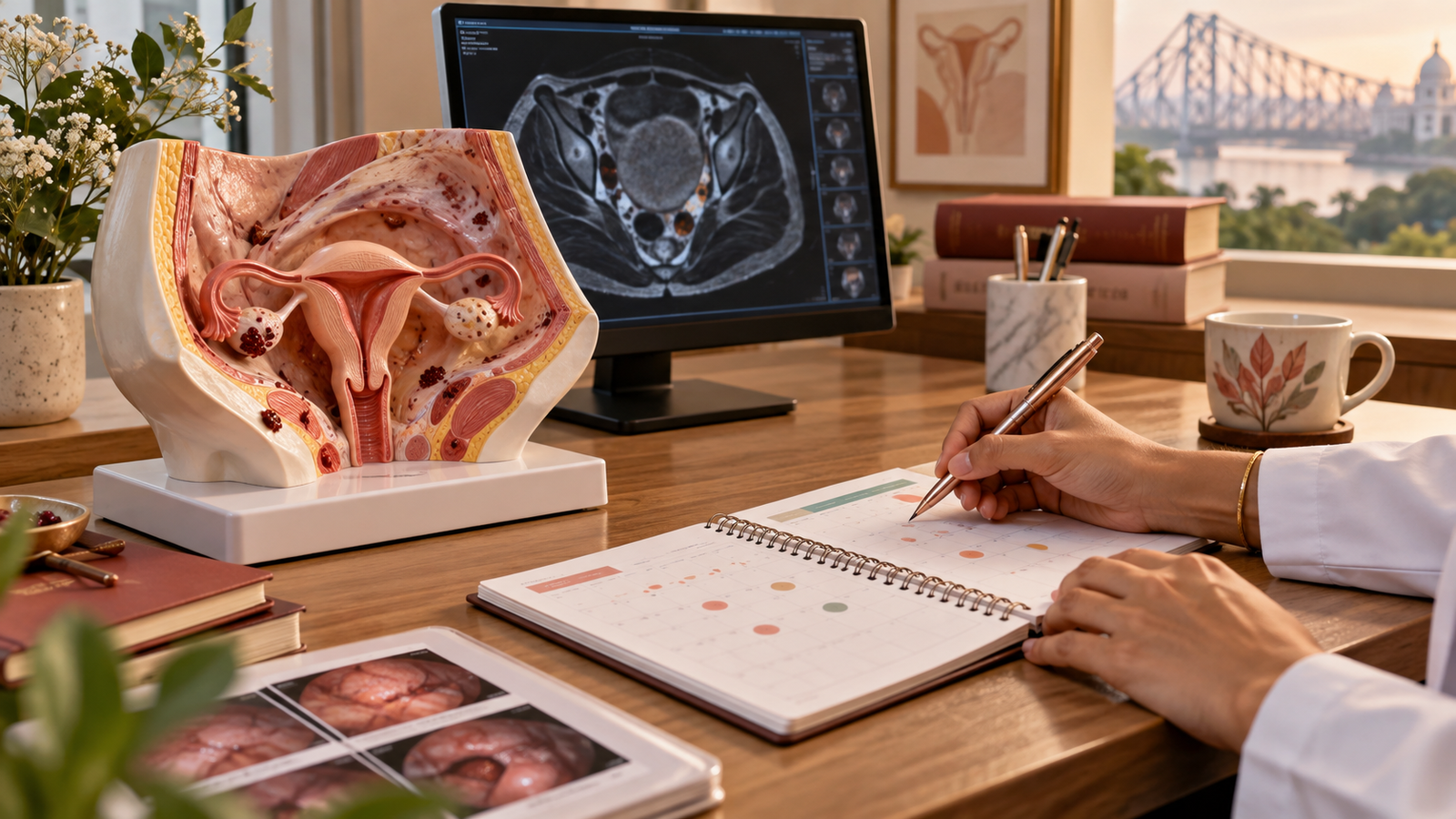
Endometriosis does not always announce itself clearly. Some women have severe period pain. Some have pelvic pain that comes and goes. Some feel pain during intercourse, bowel discomfort during periods, bladder symptoms, lower back pain, or difficulty conceiving.

A normal blood sugar report can feel like a relief. But for many women with PCOS, the confusion does not end there.

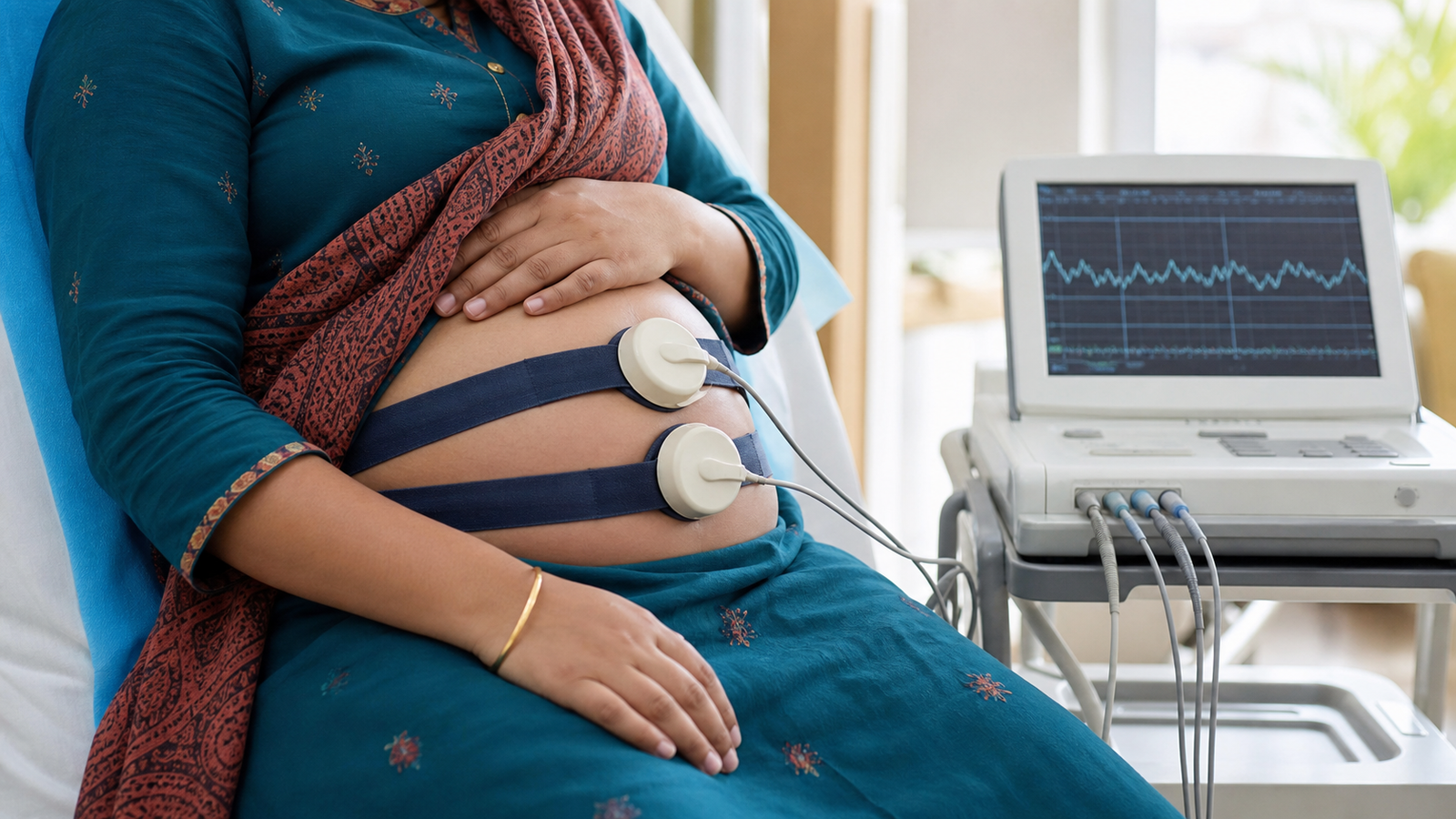
A baby’s movement pattern becomes familiar during pregnancy. Some babies are more active after meals. Some move more at night. Some respond when the mother rests quietly.

When fertility reports look normal but pregnancy still does not happen, couples often feel trapped between hope and confusion. Ovulation may look regular. Semen analysis may appear acceptable. Tubes may seem open. Still, every month ends with the same disappointment.

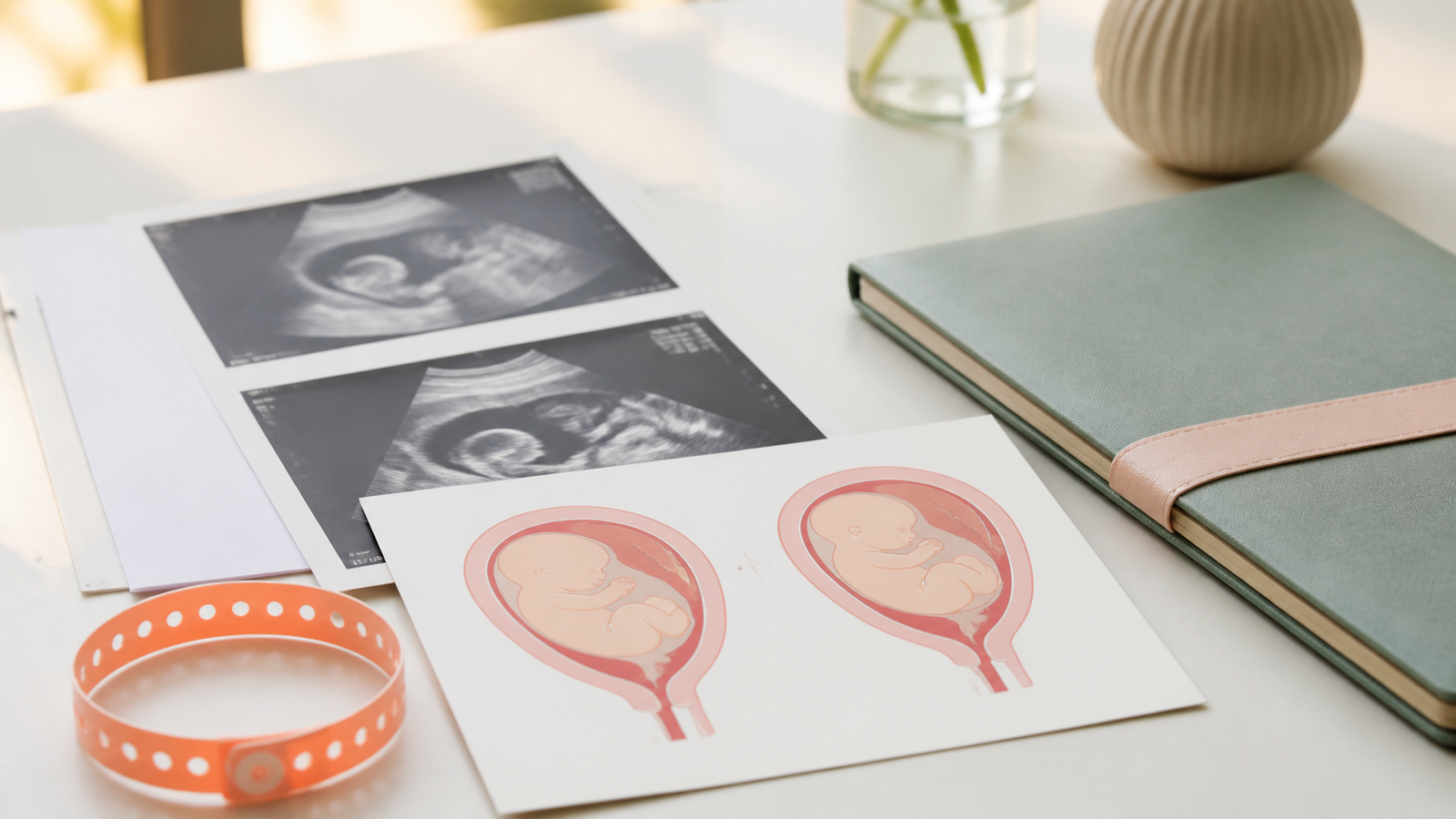
When a pregnancy scan says low-lying placenta, it can make the next few months feel uncertain. Many mothers immediately worry about bleeding, bed rest, cesarean delivery, or whether the baby is at risk.

A normal ultrasound can feel reassuring, but it does not always explain severe period pain. Many women are told that the scan is normal, yet they still miss work, vomit during periods, need strong painkillers, or plan their month around bleeding days.

Being told that your uterus may need to be removed can feel overwhelming. Some women feel relieved because years of bleeding, pain or pressure may finally have an answer. Others feel shocked and unsure because hysterectomy sounds final.

A positive pregnancy test is a happy moment, but it can also make the next few days feel uncertain.

“My periods come every month, so I cannot have PCOS… right?”

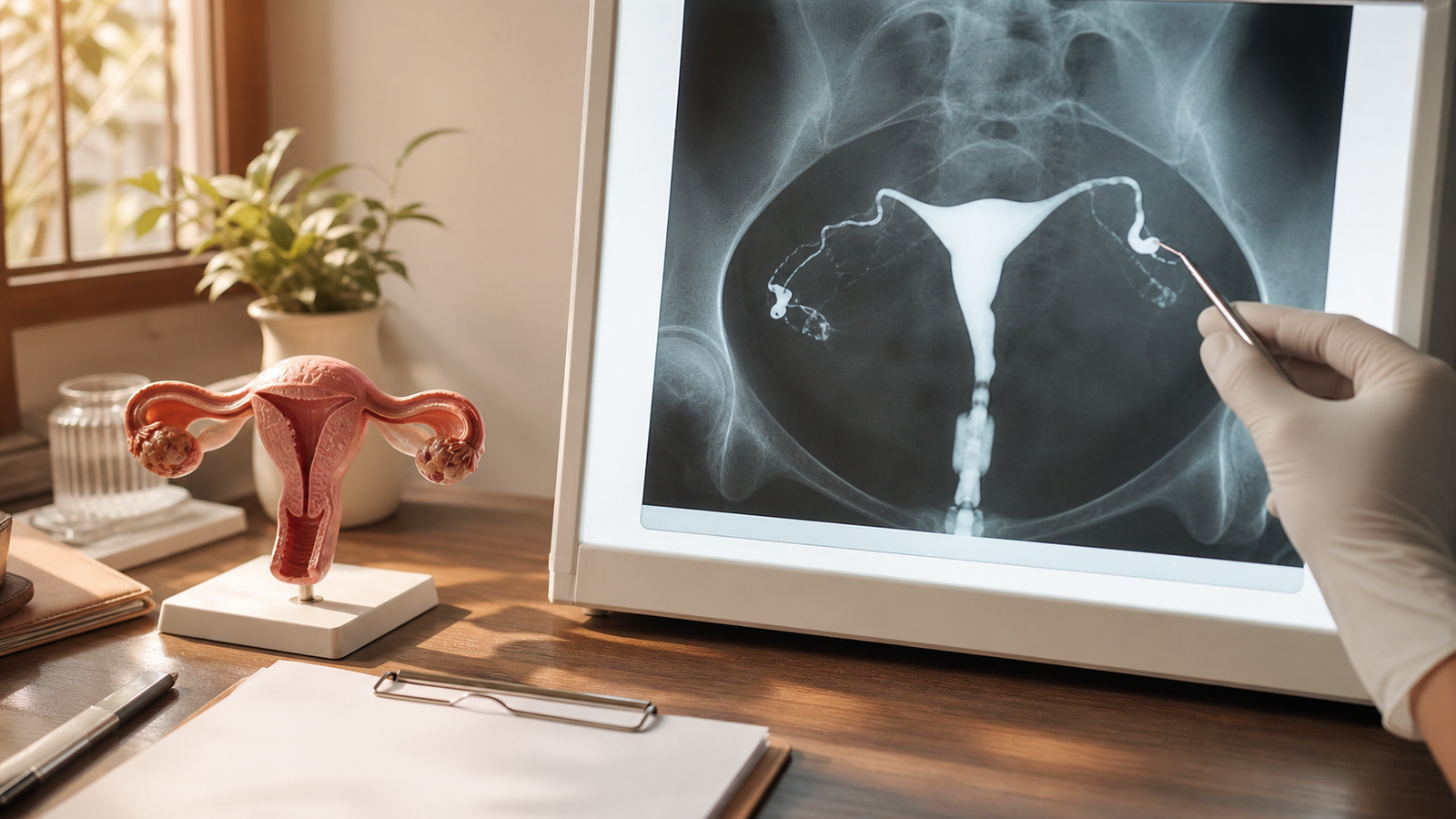
An HSG report showing one blocked fallopian tube can be frightening. Many women see the word “blocked” and immediately assume that natural pregnancy is no longer possible.

Severe period pain is often blamed on endometriosis. Heavy bleeding is often blamed on hormones, weakness, stress, or “normal painful periods.” But when severe cramps and heavy bleeding happen together, the diagnosis may need a closer look.

Many pregnant women hesitate before calling the doctor because they do not want to “overreact.” But with high BP, waiting too long can be riskier than asking early.

A fibroid diagnosis can make a woman anxious very quickly. The scan report may mention one fibroid, multiple fibroids, or a size that sounds frightening. Then comes the bigger worry: "Will I need major surgery?"
Get the latest insights, tips, and medical advice from Dr. Vinita Khemani directly to your inbox.