

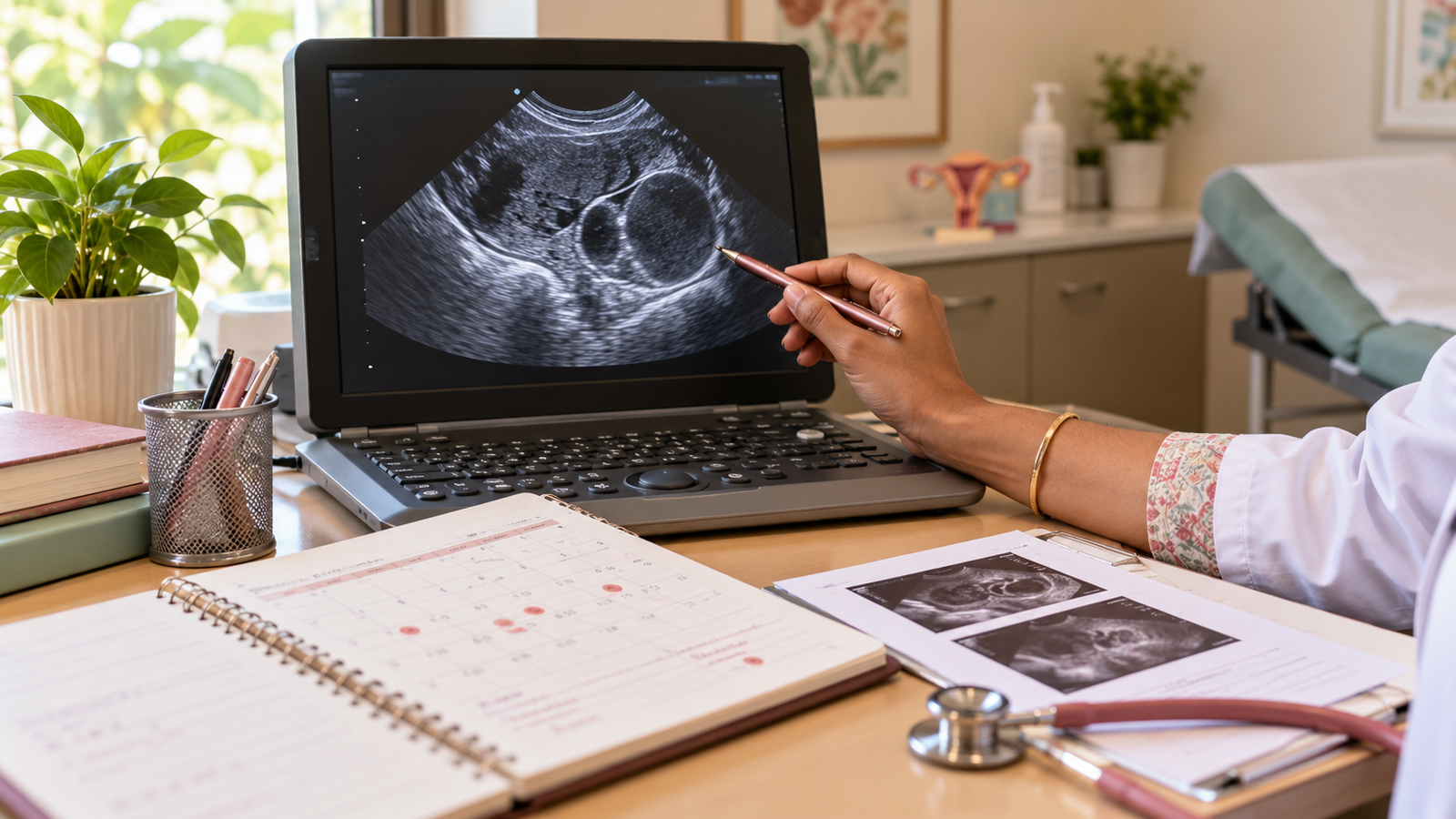
Pain Again After Endometriosis Surgery? Has It Come Back?
The first few periods after endometriosis surgery may feel different. For some women, the pain becomes much more manageable. Others notice only a small improvement. And sometimes, after months of feeling better, the old discomfort starts again.
Perhaps the cramps are getting stronger. Perhaps pelvic pain has returned, or a recent ultrasound has shown another ovarian cyst.
The obvious worry is whether the endometriosis has come back.
Endometriosis can return after surgery, but pain returning does not always mean the disease has returned. There is a difference between endometriosis that was never completely removed, disease that develops again, and pain caused by other pelvic conditions.
Understanding that difference matters. It can help you avoid unnecessary worry and, in some cases, another operation that may not address the actual cause of your symptoms.
Can Endometriosis Return After Laparoscopic Surgery?
Yes, endometriosis can recur after laparoscopic surgery because removing visible lesions does not permanently cure the condition. However, returning pelvic pain may also be caused by persistent endometriosis, scar tissue, pelvic muscle problems or other conditions unrelated to new endometriosis growth.
The pattern of symptoms often provides the first useful clues.
- Pain that never improved: The original disease may still be present, or another pain condition may be contributing.
- Pain returning after months of relief: Recurrent endometriosis is one possibility, but it is not the only explanation.
- A new ovarian cyst: An endometrioma, commonly called a chocolate cyst, may have developed again.
- Pain without a visible cyst: Small or deep lesions, pelvic floor problems and other causes of pelvic pain may still need assessment.
A previous surgical report, pelvic examination and appropriate imaging can help guide the next step.
For women experiencing symptoms after previous treatment, understanding the available endometriosis assessment and management options in Kolkata may be useful before deciding whether further treatment is necessary.
Why Pain Can Return Even When Surgery Went Well
It is easy to associate pain relief with successful surgery and returning pain with surgical failure.
Endometriosis does not always behave that simply.
During laparoscopic surgery, the gynecologist identifies and treats visible areas of endometriosis. Depending on the location and extent of disease, the procedure may involve removing lesions, releasing adhesions or treating an ovarian endometrioma.
Surgery can provide substantial symptom relief for some patients. But endometriosis is a chronic condition, and symptoms may persist or return over time.
There are also different mechanisms behind pelvic pain.
Inflammation around endometriotic lesions can irritate nearby tissues. Adhesions may restrict the normal movement of pelvic organs. Pelvic muscles can become painful or tense after a long period of discomfort.
In some people, the nervous system becomes more sensitive to pain signals. This is sometimes described as pain sensitisation.
As a result, someone may continue experiencing significant pelvic pain even when imaging does not show a large new lesion.
That pain is real. It simply means the doctor needs to look beyond the possibility of visible endometriosis returning.
Three Different Situations That Need Different Assessments
When the pain never really went away
Some women continue experiencing painful periods or pelvic discomfort after surgery.
The first question is whether the operation treated all the identified disease. In certain situations, lesions may have been difficult to remove safely because they were close to the bowel, bladder, ureter or other delicate structures.
The surgeon may have documented those findings in the operative report.
Persistent pain can also arise from pelvic floor dysfunction, nerve-related pain, adenomyosis or other conditions that coexist with endometriosis.
If your symptoms never improved meaningfully, the previous surgical findings are particularly relevant. Simply repeating the same operation may not solve the problem.
When symptoms return after a period of relief
This can feel particularly frustrating because you may have believed the difficult part was over.
Suppose your periods became less painful after surgery, but a year later the cramps gradually started returning.
Recurrent endometriosis is worth considering. So are changes in hormonal treatment, menstrual patterns and other causes of pelvic discomfort.
The timing alone cannot confirm recurrence.
A doctor will want to know whether the pain resembles your previous symptoms, whether it is becoming more severe and whether new symptoms have appeared.
When an ultrasound shows another ovarian cyst
Sometimes symptoms are mild, but a follow-up scan identifies a cyst on the ovary.
If you previously underwent surgery for an endometrioma, a recurrent chocolate cyst may be considered.
However, not every ovarian cyst is an endometrioma, and not every recurrent endometrioma requires surgery.
The appearance of the cyst, its size, associated symptoms, previous ovarian surgery and pregnancy plans all influence the next decision.
These three situations illustrate why treatment should follow an assessment of what is happening now, rather than an assumption about what happened during the first operation.
Which Symptoms Should You Pay Attention to After Surgery?
Occasional discomfort does not automatically indicate a problem. But pain that is increasing, changing or affecting everyday activities deserves medical attention.
The following patterns can help guide a conversation with your gynecologist.
| Symptom after surgery | What the doctor may need to assess |
|---|---|
| Period cramps becoming painful again | Menstrual pattern, previous disease location and possible recurrence |
| Pelvic pain that never improved | Persistent disease, pelvic floor dysfunction or another source of pain |
| Pain during or after intercourse | Pelvic tenderness, muscle-related pain and possible deep endometriosis |
| Painful bowel movements during periods | Bowel-related conditions or endometriosis affecting deeper pelvic structures |
| Pain or urinary symptoms around menstruation | Urinary tract conditions or possible involvement of nearby pelvic tissues |
| Another ovarian cyst on ultrasound | Whether the cyst has features of an endometrioma and requires monitoring |
| Difficulty conceiving after surgery | Age, ovarian history, reproductive plans and other relevant fertility factors |
| Pain increasingly affecting work, sleep or daily life | Clinical reassessment and review of the current treatment plan |
A normal ultrasound does not exclude every form of endometriosis.
The UK National Institute for Health and Care Excellence (NICE), in its guideline on endometriosis diagnosis and management, recommends further assessment for persistent or recurrent symptoms and advises that normal examination or ultrasound findings should not automatically rule out the condition.
If you notice symptoms returning, a short diary can be helpful. Record when the pain occurs, whether it relates to menstruation, and whether it interferes with sleep, work, bowel movements or intercourse.
You do not need a complicated tracking system. A few clear notes can help the doctor identify changes that might otherwise be difficult to remember during the appointment.
Can a Chocolate Cyst Grow Again After Removal?
Yes. An ovarian endometrioma can recur after surgery.
An endometrioma is an ovarian cyst associated with endometriosis. It often contains old blood, which explains the commonly used name chocolate cyst.
If one develops again, the first concern is usually whether another operation will be necessary.
Not always.
The doctor may recommend monitoring a cyst in some circumstances, while another patient may need further evaluation because of pain, cyst characteristics or reproductive concerns.
Previous ovarian surgery makes this decision particularly important.
Removing an endometrioma can involve working close to healthy ovarian tissue. Additional surgery may affect ovarian reserve, which is relevant for women hoping to become pregnant.
The European Society of Human Reproduction and Embryology (ESHRE) endometriosis guideline discusses the benefits of ovarian cyst surgery alongside the potential risk of reduced ovarian reserve.
For this reason, another cyst should not automatically lead to another operation.
The decision should account for the full clinical picture, including symptoms, ultrasound findings, previous treatment and plans for pregnancy.
Why Your First Surgery Report Matters More Than You Think
Many patients keep their discharge summary but never receive or retain a copy of the detailed operation report.
If symptoms return, that document can be extremely useful.
The operative report may describe whether endometriosis was found on the ovaries, pelvic lining, supporting ligaments or deeper tissues near the bowel or bladder.
It may also explain which areas were treated and whether any lesions remained.
This helps distinguish what was previously known from what is being detected now.
For example, if the first report documents deep disease near the bowel, new pain during bowel movements may justify more targeted assessment.
If an ovarian endometrioma was removed, a new cyst can be compared with previous imaging and surgical findings.
Histopathology reports, if available, may provide additional information about tissue removed during the operation.
If you cannot find your records, ask the hospital where the surgery was performed whether copies are available.
Even when the original documents cannot be recovered, a doctor can still evaluate your current symptoms and explain which investigations may be useful.
How Do Doctors Check Whether Endometriosis Has Returned?
The assessment generally begins with your symptom history and previous treatment details.
A gynecologist may ask whether the pain is cyclical, where it occurs, how it compares with pain before surgery, and whether your periods or reproductive plans have changed.
A pelvic examination may be appropriate, depending on your circumstances and consent.
Transvaginal ultrasound is commonly used to assess the ovaries and look for endometriomas or certain forms of deep endometriosis. When an internal scan is unsuitable, other imaging approaches may be considered.
If deep disease is suspected, specialist ultrasound or pelvic MRI may help clarify its location and extent.
Imaging has limitations. Small superficial lesions are not always visible, and scans do not identify every cause of pelvic pain.
A repeat laparoscopy may be considered in selected cases, but it is not automatically the first step simply because symptoms have returned.
The choice depends on the severity of symptoms, previous findings, response to medical management and whether further investigation would change the treatment plan.
Can Treatment After Surgery Help Reduce Recurrence?
For some women, postoperative hormonal treatment helps maintain symptom relief and reduce the likelihood of certain endometriosis-related problems returning.
The appropriate treatment depends heavily on whether pregnancy is being planned.
If conception is not an immediate goal, a gynecologist may discuss options such as progestin-based treatment, combined hormonal contraception or a hormone-releasing intrauterine system.
These treatments are not suitable for everyone.
Medical history, side effects, contraindications and personal preferences all influence which option may be appropriate.
ESHRE recommends considering longer-term postoperative hormonal treatment for selected patients, including women who have undergone surgery for ovarian endometriomas and are not immediately trying to conceive.
The benefit is not a permanent cure.
Hormonal treatment may reduce painful symptoms and certain recurrence risks while it is being used, but no medication can guarantee that endometriosis will never return.
If you were prescribed treatment after surgery and have stopped taking it, tell your doctor. Changes in medication use may be relevant when reviewing your symptoms.
Do not restart or change prescribed hormones without appropriate medical advice.
What if You Are Planning Pregnancy After Endometriosis Surgery?
Pregnancy plans can change the entire postoperative management discussion.
A woman who wants relief from painful periods but is not currently trying to conceive may have different treatment priorities from someone hoping to become pregnant soon.
Some hormonal treatments used to suppress endometriosis symptoms also prevent pregnancy while they are being taken.
For a woman actively trying to conceive, the doctor may instead focus on age, ovarian history, menstrual patterns, previous surgical findings and other fertility factors.
This matters particularly if the first operation involved an ovarian endometrioma.
Repeat ovarian surgery may affect healthy ovarian tissue, so potential benefits must be weighed against possible effects on ovarian reserve.
Endometriosis does not mean pregnancy is impossible. Many women with the condition conceive, although others experience fertility difficulties.
The appropriate approach depends on individual circumstances.
If you are trying to conceive and your symptoms are returning, mention both concerns at the same appointment. Pain management and reproductive plans should not be considered separately.
Does Returning Pain Mean You Need Another Operation?
No. A second operation is not automatically necessary when pain returns.
Further surgery may be considered when significant symptoms persist despite appropriate management, imaging identifies disease that may benefit from an operation, or previous findings suggest a specific surgical concern.
But repeat surgery also carries risks.
Scar tissue may develop after pelvic procedures. Surgery near the bowel, bladder or ureter can involve additional complications. Repeated operations involving the ovaries may affect ovarian reserve.
The decision becomes especially complicated when symptoms are severe but imaging does not identify a clear surgical target.
In that situation, assessment of other pelvic pain mechanisms may be important.
A woman seeking an endometriosis surgeon in Kolkata should expect a discussion of both the potential benefits and limitations of further surgery.
The aim should be to understand what another operation is likely to address, rather than assuming that every new episode of pain requires surgical removal of more tissue.
When Should You Arrange a Follow-Up Appointment?
You do not need to wait until pain becomes unbearable.
Arrange a medical review if symptoms are returning regularly, becoming more severe or interfering with work, sleep, sexual activity or ordinary daily tasks.
A new ovarian cyst, persistent bowel or urinary symptoms, or difficulty conceiving after previous surgery may also warrant further assessment.
If the pain is sudden and severe, or occurs with fainting, fever, persistent vomiting or heavy bleeding, seek urgent medical attention.
For women in Salt Lake, Lake Town, Bangur Avenue and other parts of Kolkata, reviewing the original surgery alongside current symptoms can help determine whether monitoring, medical management or surgical evaluation is appropriate.
Dr Vinita Khemani's endometriosis treatment information discusses medical and laparoscopic approaches, as well as the relevance of fertility goals. Patients considering postoperative reassessment can review this information and discuss their individual symptoms with a qualified gynecologist.
Frequently Asked Questions About Pain After Endometriosis Surgery
Is it normal for period pain to return after endometriosis surgery?
Period pain can return after endometriosis surgery, but recurring pain should not automatically be treated as normal. It may reflect persistent or recurrent disease, hormonal changes or another cause of pelvic discomfort. If the pain is increasing or affecting your routine, arrange a gynecological assessment.
Can endometriosis come back within one year of laparoscopic surgery?
Yes, endometriosis-related symptoms or detectable lesions can return within a year of surgery. Pain appearing during this period may also come from disease that remained after treatment or from another pelvic condition. Reviewing the original surgical findings and current symptoms can help guide further investigation.
Will I need another operation if my chocolate cyst comes back?
No, a recurrent chocolate cyst does not automatically require another operation. Its size, ultrasound appearance, symptoms, previous ovarian surgery and pregnancy plans affect the decision. A gynecologist can explain whether monitoring, medical management or further surgery is appropriate.
Can I still become pregnant if endometriosis symptoms return after surgery?
Yes, pregnancy may still be possible when endometriosis symptoms return after surgery. Age, ovarian health, previous treatment and other fertility factors influence the individual outlook, while some hormonal treatments are unsuitable when actively trying to conceive. Discuss your pregnancy plans during the postoperative assessment so they can be considered alongside symptom management.
Pain Returning Is a Reason to Reassess, Not to Assume the Worst
Endometriosis can be difficult to manage because symptoms do not always tell the whole story.
A woman may have pain without a new cyst appearing on ultrasound. Another may have a recurrent ovarian endometrioma with relatively few symptoms. Someone else may discover that the discomfort continuing after surgery has more than one contributing cause.
All three situations call for a different conversation.
If you have already undergone endometriosis surgery, keep your previous operative report, imaging findings and prescriptions where possible. Notice how your symptoms have changed, particularly whether they are linked to periods, bowel movements, intercourse or everyday activities.
When symptoms persist or return, seek an individual medical assessment rather than assuming another operation is unavoidable.
Endometriosis surgery may provide meaningful relief, but it is not a guaranteed permanent cure. Understanding why pain has returned is the first step towards deciding what care is appropriate now.
Medical Disclaimer: This article is for general health education and does not replace a medical consultation, diagnosis or individual treatment recommendation. Returning pelvic pain does not necessarily mean endometriosis has recurred. The need for imaging, medication or surgery depends on clinical findings, previous treatment and individual circumstances. Seek urgent medical assistance for sudden severe pain, fainting, significant bleeding or other concerning symptoms.
Have questions about this topic?
Book a consultation with Dr. Vinita Khemani to address your specific concerns and get a personalized care plan.