
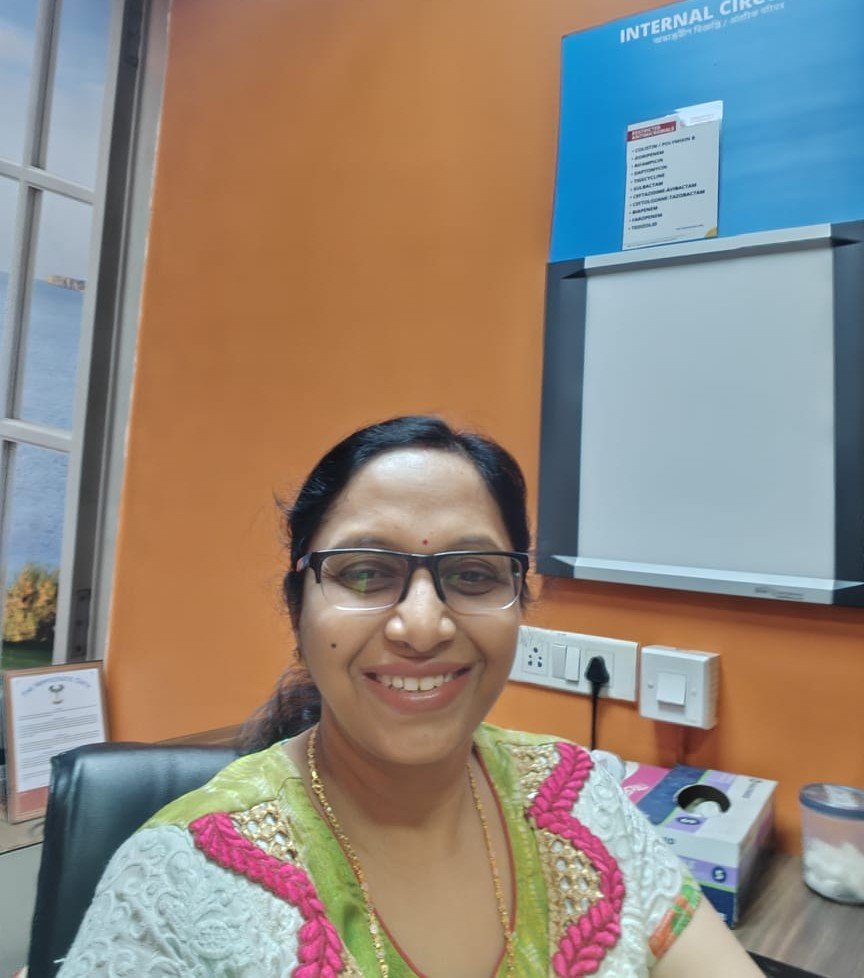

A normal blood sugar report can feel like a relief. But for many women with PCOS, the confusion does not end there.
Periods may still be irregular. Weight may be changing around the waist. Acne or unwanted hair may continue. Pregnancy planning may feel uncertain. A woman may come with a normal HbA1c report but still say, “My periods are not regular, my weight is changing, and I don’t feel in control of my body.”
That is why a PCOS specialist in Kolkata may still review metabolic risk even when fasting glucose or HbA1c looks normal. At Dr Vinita Khemani’s clinic, one sugar report is not treated as the whole story. A structured approach to PCOS assessment and treatment looks at cycle pattern, waist and weight changes, family history, blood pressure, lipid profile, glucose risk, acne or hair-growth concerns, lifestyle, and fertility goals together.
Can someone with PCOS have insulin resistance despite normal glucose?
Yes, someone with PCOS can have insulin resistance even when routine blood sugar results look normal. The body may produce more insulin to keep glucose within range, so the glucose report can appear acceptable while metabolic stress is still developing. This does not mean every woman needs extra insulin testing; it means the full clinical picture should be reviewed properly.
| Metabolic Check | What It Can Tell the Doctor | Why It Matters in PCOS |
|---|---|---|
| Fasting glucose / HbA1c | Current sugar-control picture | May look normal early and still need context |
| Oral glucose test, when advised | How the body handles a glucose load | Useful in selected women, especially with risk factors or fertility planning |
| Weight and BMI trend | General metabolic load | Sudden gain or difficult weight control may affect cycles |
| Waist measurement | Central weight pattern | Waist gain can suggest higher metabolic risk |
| Blood pressure | Cardiovascular-risk clue | PCOS can be linked with long-term metabolic risk |
| Lipid profile | Cholesterol and triglyceride pattern | Helps assess heart and metabolic health |
| Family history | Diabetes, BP or cholesterol tendency | Changes screening urgency |
| Cycle and fertility goals | Ovulation and pregnancy-planning needs | Treatment should match the patient’s current stage of life |
The 2023 International Evidence-based Guideline for PCOS notes that insulin resistance is a key feature of PCOS, but clinically available insulin-resistance assays have limited routine value and are not recommended as standard care. The same guideline supports metabolic-risk review, including lipid profile, blood pressure assessment, and glucose assessment based on clinical context: 2023 International Evidence-based PCOS Guideline.
Why normal sugar does not always end the PCOS discussion
A fasting sugar or HbA1c report answers one question: what your blood glucose looked like at that point.
It does not explain everything about PCOS.
Some women keep normal glucose levels because the body is working harder behind the scenes. The pancreas may produce more insulin to maintain sugar control. Over time, that extra insulin demand may be linked with cycle irregularity, weight gain, cravings, fatigue after meals, oily skin, acne, unwanted facial hair, or difficulty losing weight.
Not every woman has the same pattern. Some women with PCOS are lean. Some have regular weight but long gaps between periods. Some mainly struggle with acne. Some come only when pregnancy does not happen.
So the better question is not, “Is my sugar normal?”
The better question is, “What does this report mean for my cycles, weight pattern, family history, fertility goals and long-term health?”
Glucose and insulin resistance are not the same thing
Glucose is the sugar measured in your blood. Insulin is the hormone that helps move glucose from the blood into the body’s cells.
Insulin resistance means the body does not respond to insulin as smoothly as it should. To compensate, the body may make more insulin.
In the earlier stage, blood sugar may still look normal.
That is why a doctor may review waist gain, family history of diabetes, high triglycerides, low HDL cholesterol, high blood pressure, dark thickened skin around the neck or underarms, irregular periods, and pregnancy goals even when a sugar report looks fine.
ACOG explains that many people with PCOS have insulin resistance and may also have features of metabolic syndrome, including high blood pressure, abnormal blood sugar, waist-circumference changes, low HDL cholesterol, and high triglycerides: ACOG — Polycystic Ovary Syndrome.
When should you consult a PCOS specialist in Kolkata?
You should consider specialist review when PCOS symptoms continue despite normal sugar reports, especially if periods are irregular, weight is changing, acne or unwanted hair is troubling, or pregnancy is being planned.
A PCOD specialist in Kolkata may also review irregular periods, acne, unwanted hair growth, weight pattern, family history, and fertility goals before deciding whether lifestyle changes, cycle support, or metabolic monitoring is needed.
This matters because PCOS is not a single-symptom condition. One woman may need cycle regulation. Another may need help with acne and hair growth. Another may need fertility-focused planning. Another may need closer metabolic screening because diabetes or cholesterol runs in the family.
A useful consultation does not force the same plan on every patient.
What should be checked without over-testing?
Good PCOS care should be careful, not excessive.
Testing should answer a real medical question. It should not be done only because the test exists.
A practical review may include menstrual history, cycle gaps, weight trend, waist measurement, blood pressure, acne or hair-growth symptoms, ultrasound findings when needed, lipid profile, glucose assessment, thyroid or prolactin testing when symptoms suggest, and fertility timeline if pregnancy is being planned.
Routine fasting insulin testing is not always useful in day-to-day care. The result can be difficult to interpret and may not change treatment.
This is where PCOD treatment in Kolkata should stay sensible. The goal is not to create a long file of reports. The goal is to understand what is driving the patient’s symptoms and what should be done next.
Lifestyle advice should not feel like punishment
Many women with PCOS have heard the same sentence too many times: “Just lose weight.”
That advice often lands badly because it sounds like blame. It also ignores how PCOS can affect appetite, cravings, sleep, weight distribution, energy, mood, and cycle rhythm.
Lifestyle still matters. But it has to be practical.
A realistic plan may focus on regular meals, enough protein, reducing high-sugar snacks, avoiding long meal gaps, walking after meals, strength training when suitable, better sleep, and slow waist or weight improvement. For some women, preventing further weight gain is already a meaningful first step.
PCOS diet consultation in Kolkata should not mean a harsh chart that the patient follows for five days and then abandons. It should fit work timing, home food, budget, sleep, stress, and whether pregnancy is being planned.
The plan that works is the plan a woman can actually live with.
Cycle goals and fertility goals are different
A teenager with irregular cycles, a working woman with acne and weight gain, and a woman trying for pregnancy do not need the same PCOS plan.
Cycle safety may be the main goal for one patient. Skin and hair symptoms may matter most to another. Fertility planning may be the priority for someone else.
That is why PCOS treatment in Kolkata should start with one clear question: what is the current goal?
If pregnancy is not being planned, the doctor may focus on cycle regularity, metabolic health, skin symptoms, weight pattern, and long-term monitoring. If pregnancy is being planned, ovulation, timing, ovarian reserve context, glucose risk, and preconception health become more relevant.
A normal glucose report does not answer these questions. It is only one part of the map.
Why family history changes the level of attention
Family history can change how closely PCOS needs to be followed.
If a parent or sibling has type 2 diabetes, high cholesterol, high blood pressure, obesity, or early heart disease, the patient’s metabolic review deserves more attention. This does not mean diabetes is guaranteed. It means prevention should be more structured.
Some women already know this risk because they have watched a parent manage diabetes for years. Others do not connect family history with PCOS until the doctor asks.
At Dr Vinita Khemani’s clinic, family history is reviewed because it can change how often glucose, lipids, blood pressure, weight, waist, and fertility planning need to be monitored.
PCOS treatment in Newtown and nearby Kolkata areas: why follow-up matters
PCOS usually needs follow-up, not one-time advice.
Reports change. Weight changes. Cycles change. Pregnancy goals change. A woman may first come for irregular periods and return months later because she is planning conception. Another may come for acne and later need a metabolic review.
For patients looking for PCOS treatment in Newtown, Salt Lake or nearby Kolkata areas, access to follow-up care matters because the treatment plan may need adjustment over time.
This does not mean frequent unnecessary visits. It means the patient should know when to review, what to track, and which symptoms should not be ignored.
Steady care is often better than dramatic advice.
What to bring for a PCOS metabolic review
Bring previous sugar reports, HbA1c, lipid profile, thyroid reports, ultrasound reports, current medicines, previous prescriptions, and any weight records if available.
Also carry or note:
- cycle dates for the last six months
- acne or hair-growth changes
- hair fall pattern
- dark skin patches around neck or underarms
- weight or waist changes
- cravings or fatigue after meals
- sleep problems
- family history of diabetes, BP or cholesterol
- whether pregnancy is being planned
These details help the doctor understand whether the main issue is cycle irregularity, androgen symptoms, metabolic risk, fertility planning, or a mixed pattern.
FAQs
Can PCOS cause insulin resistance even if my fasting sugar is normal?
Yes, PCOS can be associated with insulin resistance even when fasting glucose looks normal. The body may produce extra insulin to keep glucose controlled, so the doctor may review weight, waist, family history, BP, lipids, cycles, and fertility goals instead of relying on one sugar report. Bring your glucose, HbA1c, lipid, ultrasound, and cycle records for a structured review.
Do I need a fasting insulin test for PCOS?
Not every woman with PCOS needs a fasting insulin test. International guidance notes that available insulin-resistance assays have limited routine clinical value, so doctors usually focus on risk profile, glucose testing, lipids, BP, symptoms, and treatment goals. Ask whether the test result would change your treatment before doing extra investigations.
Can lifestyle changes help PCOS if blood sugar is normal?
Yes, lifestyle changes may still help PCOS even when blood sugar is normal. Meal timing, protein intake, physical activity, sleep, waist management, and weight-gain prevention can support cycles and metabolic health, especially when insulin resistance is suspected. The plan should be realistic enough to follow for months, not just for a week.
Should I see a doctor for PCOS if my periods are irregular but sugar is normal?
Yes, irregular periods with PCOS should be reviewed even if sugar reports are normal. The doctor may assess cycle gaps, androgen symptoms, ultrasound findings, thyroid or prolactin causes, metabolic risk, and pregnancy plans. Do not wait for sugar to become abnormal before asking for care.
Your next step when sugar is normal but PCOS symptoms continue
A normal glucose report is good news. But it should not close the PCOS conversation if symptoms are still affecting daily life.
If periods remain irregular, waist or weight is changing, acne or unwanted hair is troubling, or fertility planning is becoming important, the next step is a fuller review. PCOS care should connect metabolic health with cycle goals and fertility goals. It should not depend on one report.
If you have PCOS symptoms but your blood sugar looks normal, consult Dr Vinita Khemani with your reports and cycle history. A focused review can help decide whether lifestyle changes, cycle care, metabolic monitoring, or fertility-focused planning should come next.
Medical Disclaimer:
This article is for general patient education only and should not replace personal medical advice, diagnosis, fertility treatment, or emergency care. PCOS/PCOD evaluation, glucose testing, lipid assessment, blood pressure review, hormonal tests, ultrasound use, lifestyle planning, medicines, and fertility guidance vary based on age, symptoms, cycle pattern, weight, family history, reports, and pregnancy goals. Please consult a qualified gynecologist or PCOS specialist for individualized care.
Have questions about this topic?
Book a consultation with Dr. Vinita Khemani to address your specific concerns and get a personalized care plan.