
Endometriosis and Constant Fatigue: What Could Be Causing It?
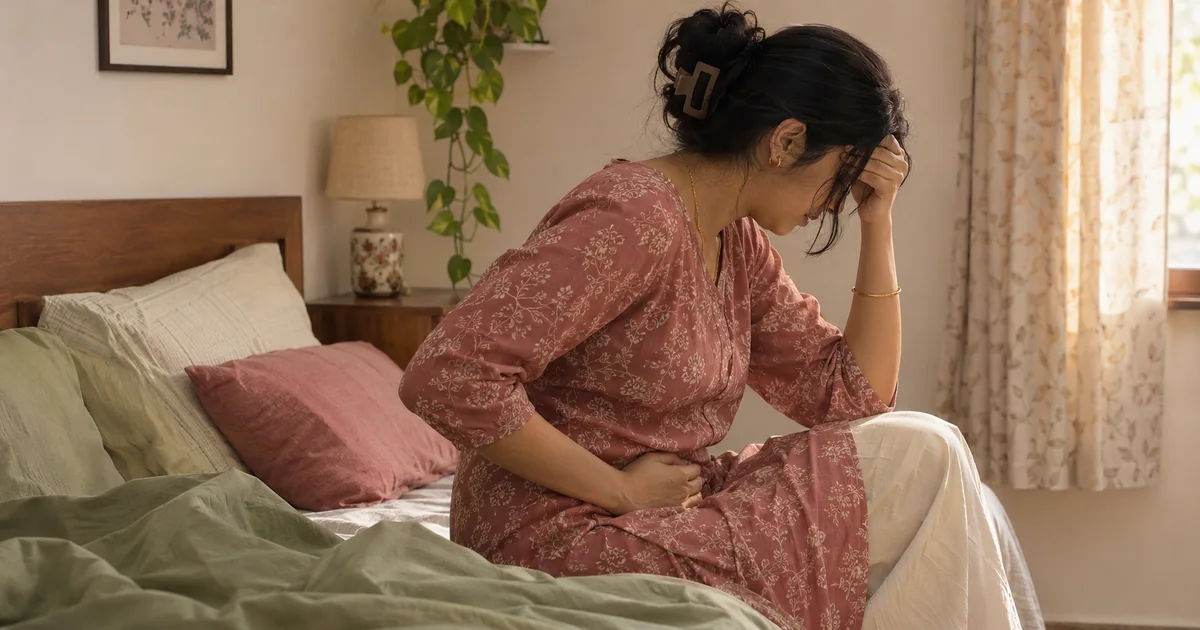
You have learned to manage the painful days of your period. You know when to rest, which activities make the discomfort worse and when you might need to change your plans. But lately, something else has been bothering you.
You're tired almost all the time.
Even after sleeping through the night, getting ready for work feels difficult. By afternoon, your energy is running low. And on days when the pelvic pain is manageable, the exhaustion is still there.
If you have endometriosis, persistent fatigue may be related to the condition. However, tiredness can have several causes, and it deserves attention rather than being dismissed as a normal part of menstruation.
If you are already receiving treatment but continue to feel exhausted, discussing your symptoms with an endometriosis specialist in Kolkata may help identify whether pain, poor sleep, menstrual bleeding, treatment-related effects or another health problem needs evaluation.
Dr Vinita Khemani's website provides information about assessment and treatment options for endometriosis, including the role of medical management and surgery in selected circumstances.
Understanding your fatigue pattern is a useful place to begin.
Can Endometriosis Cause Constant Fatigue?
Yes, endometriosis can be associated with persistent fatigue, sometimes even on days when pelvic pain is not particularly severe. Poor sleep, recurring discomfort, heavy menstrual bleeding and the physical or emotional strain of living with symptoms may contribute, although other medical causes should also be considered.
Possible contributing factors include:
- Pelvic pain that interrupts sleep
- Difficult menstrual days that leave you feeling physically drained
- Heavy periods associated with iron deficiency or anaemia
- Ongoing symptoms that affect concentration and daily activities
- Side effects from certain medicines
- Unrelated health conditions, including thyroid disorders or sleep problems
The fatigue may become worse around menstruation, or it may continue throughout the month.
That difference can offer useful clues during a medical consultation, especially when tiredness has started affecting work, family responsibilities or everyday activities.
Why Endometriosis Can Affect More Than Your Period
Endometriosis occurs when tissue similar to the lining of the uterus grows outside the uterus. It is commonly associated with painful periods, chronic pelvic pain and, in some women, fertility difficulties.
But the impact of the condition is not limited to the pelvis.
Imagine spending several days each month coping with discomfort that affects your sleep, appetite or ability to concentrate. Even when the pain eases, you may still feel as though you have not properly recovered.
For some women, this happens repeatedly.
The European Society of Human Reproduction and Embryology's endometriosis guideline recognizes fatigue among the symptoms that clinicians should consider when assessing suspected endometriosis.
This does not establish a single biological cause of exhaustion in every patient.
Pain, sleep disruption, other symptoms and additional health conditions may overlap. The medical assessment should consider those possibilities rather than assume that endometriosis explains everything.
How Pelvic Pain Can Leave You Tired the Next Day
You may think you have slept for seven or eight hours, but how restful was that sleep?
Some women with endometriosis wake repeatedly because of pelvic discomfort. Others struggle to find a comfortable position or experience pain that becomes worse around menstruation.
Even when you eventually fall asleep, repeated interruptions can affect how refreshed you feel the next morning.
Poor sleep may also make pain harder to cope with.
This can become a frustrating pattern: discomfort interrupts rest, tiredness affects daily functioning, and ordinary activities feel more demanding.
When discussing symptoms with your doctor, it helps to describe the effect on sleep rather than giving only a pain score.
For example, explaining that pelvic pain wakes you several times during the first two days of your period gives the clinician information about the timing and impact of your symptoms.
You might also notice that you feel reasonably energetic between periods. That is a different pattern from feeling exhausted every day, regardless of pain.
Both deserve consideration, but they may lead to different questions during assessment.
Could Heavy Menstrual Bleeding Be Making You Exhausted?
Heavy periods can contribute to iron deficiency and, sometimes, iron-deficiency anaemia.
When anaemia develops, you may experience persistent tiredness, weakness, dizziness, reduced exercise tolerance or breathlessness.
Some women with endometriosis experience heavy menstrual bleeding, although it is not a symptom everyone has. Other gynecological conditions can also cause heavy periods.
If you are changing sanitary protection very frequently, bleeding for longer than usual or passing large clots, tell your doctor.
A complete blood count may help identify anaemia, while iron studies may be recommended according to your symptoms and clinical findings.
There is an important distinction here.
Feeling exhausted does not automatically mean you are anaemic. Similarly, normal blood counts do not mean your tiredness is unimportant.
If anaemia is found, the clinician should consider the cause of the blood loss and appropriate treatment rather than treating the fatigue in isolation.
What Your Fatigue Pattern May Tell Your Doctor
Before an appointment, it can help to notice when your energy levels change.
You do not need a detailed spreadsheet or an elaborate daily routine. A few notes on your phone may be enough to reveal a pattern.
| Fatigue pattern | Possible contributing factor | What may need evaluation |
|---|---|---|
| Tiredness becomes worse during menstruation | Period pain, interrupted sleep or heavy bleeding | Menstrual history, pain pattern and bleeding severity |
| Exhaustion with frequent or prolonged bleeding | Possible iron deficiency or anaemia | Blood count and iron studies when indicated |
| Feeling unrefreshed after painful nights | Sleep disruption associated with pelvic discomfort | Sleep quality and current pain management |
| Tiredness continues even when pelvic pain is mild | Persistent symptoms or a separate medical condition | Broader symptom review and targeted investigations |
| Fatigue starts after a treatment change | Possible medicine-related effects | Current medicines, doses and symptom timeline |
| Exhaustion accompanied by dizziness or breathlessness | Anaemia or another health concern | Timely clinical assessment according to severity |
The table is a guide to what may be discussed, not a way to diagnose the cause yourself.
More than one factor may be involved. A person can have endometriosis and an unrelated condition contributing to tiredness at the same time.
How Does a Doctor Evaluate Fatigue in Someone With Endometriosis?
A useful consultation begins with more than asking whether your periods are painful.
The doctor may want to know when the tiredness began, whether it changes during your menstrual cycle and how it affects your everyday activities.
You may be asked about your sleep, menstrual bleeding, medicines, previous investigations and other symptoms.
If your periods are heavy, a blood count may be appropriate. If your fatigue is persistent without a clear menstrual pattern, the clinician may consider other causes such as thyroid dysfunction, nutritional deficiencies, sleep problems or another medical condition.
The investigations should be chosen according to the history and examination rather than ordering every possible test automatically.
If endometriosis has not yet been diagnosed, the assessment may also include pelvic imaging.
A transvaginal ultrasound, when appropriate and acceptable to the patient, can help assess ovarian endometriomas and some forms of deep endometriosis. Another imaging approach may be used when clinically appropriate.
However, a normal scan does not rule out all forms of endometriosis.
The NICE guideline on endometriosis diagnosis and management specifically advises against excluding the condition solely because an examination or ultrasound is normal.
This matters when symptoms continue despite reassuring imaging results.
When Should You Consult an Endometriosis Specialist in Kolkata?
If fatigue and pelvic symptoms are repeatedly disrupting your routine, a more detailed assessment may be worthwhile.
You may already have tried medicines for painful periods, but the discomfort continues. Perhaps the pain has improved, yet your tiredness remains unchanged. Or your ultrasound has identified an ovarian cyst that needs further evaluation.
These situations call for reviewing the diagnosis, current treatment and any other possible causes of fatigue.
An endometriosis doctor in Kolkata may assess menstrual symptoms, previous treatment response, relevant imaging and whether a change in management or additional investigation is appropriate.
Specialist evaluation becomes particularly relevant when symptoms persist despite initial treatment, diagnosis remains uncertain, or imaging suggests deep or complex disease.
Severe symptoms affecting work, sleep or everyday functioning also deserve attention, even when the pain is not constant.
For women exploring endometriosis treatment in Kolkata, it is useful to ask what the assessment is intended to clarify and whether medicines, further imaging, monitoring or another clinical approach may be appropriate.
The choice should reflect your symptoms, medical history, preferences and reproductive plans.
Can Endometriosis Treatment Improve Constant Fatigue?
Treatment may improve energy levels in some women, particularly when tiredness is closely connected with pain, poor sleep or heavy menstrual bleeding.
But treating endometriosis does not guarantee that fatigue will disappear.
If pelvic pain is repeatedly interrupting sleep, improving pain management may make rest easier.
If heavy bleeding has contributed to anaemia, addressing the bleeding and iron deficiency may help the associated tiredness.
Where fatigue began after a medication change, reviewing possible treatment-related effects may also be relevant.
Medical management of endometriosis can include appropriate pain relief and hormonal treatment, depending on the individual's circumstances and treatment goals.
The doctor should also consider whether symptoms are improving, whether side effects are troublesome and whether the initial treatment remains suitable.
For women hoping to conceive, pregnancy plans may influence which options are considered.
This is why fatigue should be discussed as part of the broader clinical picture rather than treated as a symptom that must respond to one particular medicine.
Does Feeling Constantly Tired Mean You Need Endometriosis Surgery?
No. Persistent fatigue alone does not establish a need for surgery.
Laparoscopy may be considered for selected women with suspected or confirmed endometriosis, depending on symptoms, imaging findings, previous treatment and other clinical considerations.
An operation may be discussed when pain remains difficult to manage, the diagnosis requires further assessment or there is a clinical indication to treat identified disease.
However, surgery is not a guaranteed solution for exhaustion.
If tiredness is mainly caused by anaemia, a thyroid problem or poor sleep unrelated to pelvic symptoms, an operation may not address that cause.
When looking for an endometriosis surgeon in Kolkata, patients should consider the clinician's relevant surgical experience and the reason an operation has been recommended.
For suspected deep disease or complex involvement of pelvic organs, referral to a suitably experienced multidisciplinary team may be necessary.
A responsible surgical discussion should cover the expected benefits, alternatives, material risks, recovery and the possibility that some symptoms may persist.
Finding Endometriosis Care in North Kolkata
Living with recurring pelvic discomfort and fatigue can make repeated medical appointments difficult to manage.
Women in Dum Dum, Lake Town, Bangur Avenue and nearby North Kolkata areas may find it helpful to consider consultation accessibility alongside professional qualifications and treatment arrangements.
Dr Vinita Khemani's published practice information includes gynecological assessment and management of endometriosis in Kolkata.
When choosing an endometriosis doctor in North Kolkata, check verified qualifications, relevant experience and whether the clinician can explain when medical management, additional investigation or surgical referral is appropriate.
Bring previous ultrasound reports, prescriptions and any recent blood investigation results.
It may also help to describe how fatigue affects you in ordinary terms: missing work, struggling to concentrate, waking repeatedly at night or feeling unable to complete normal activities.
Those details can be clinically useful because the severity of endometriosis-related symptoms is not always captured by imaging findings alone.
A Simple Way to Prepare for Your Appointment
For the next two to four weeks, if practical, make brief notes about your symptoms. There is no need to delay seeking medical care until you have completed a diary.
Record when you experience pelvic pain, how well you sleep and whether your tiredness affects work or household activities.
During menstruation, note whether bleeding seems heavier than usual and whether the fatigue changes.
Also record any recent medicine changes.
A simple description such as “My pain improves after my period, but I still feel exhausted most afternoons” can help the doctor explore possibilities that might otherwise be overlooked.
The aim is not to diagnose yourself. It is to make it easier to discuss the symptoms that matter most to you.
Frequently Asked Questions
Can endometriosis make me tired even when I'm not having period pain?
Yes, fatigue associated with endometriosis can occur outside menstruation or on days when pelvic pain is mild. Sleep disturbance, ongoing symptoms and unrelated health conditions may also contribute. Discuss persistent exhaustion with your doctor, especially if it affects daily functioning.
What are the first signs of endometriosis?
Painful periods, recurring pelvic discomfort and pain during or after intercourse are among the symptoms that may suggest endometriosis. Some women also experience fatigue, bowel-related discomfort or difficulty becoming pregnant, although these symptoms can have other causes. If the symptoms persist or affect your daily activities, arrange a gynecological assessment rather than relying on symptoms alone.
How can I tell whether my tiredness is from endometriosis or anaemia?
Symptoms alone cannot reliably distinguish endometriosis-associated fatigue from anaemia. Heavy menstrual bleeding, dizziness, weakness or breathlessness may prompt a blood count and other tests when appropriate. Tell your doctor about your bleeding pattern and any additional symptoms.
What is the best treatment for endometriosis?
There is no single treatment that works best for every woman with endometriosis. Pain-relieving medicines, hormonal treatments and surgery in selected cases may be considered depending on symptoms, medical history and pregnancy plans. An endometriosis specialist in Kolkata can assess your condition and explain which treatment options may be appropriate.
Can I get rid of endometriosis without surgery?
Endometriosis symptoms can often be managed without surgery, although medicines do not permanently eliminate the condition. Hormonal treatment and appropriate pain management may help control pelvic pain and menstrual symptoms, but the response varies between individuals. If you are considering endometriosis treatment in Kolkata, discuss non-surgical options and the circumstances in which an operation may be recommended.
Should I see an endometriosis specialist if my ultrasound report is normal?
Yes, specialist assessment may still be appropriate when symptoms remain suggestive of endometriosis despite normal imaging. Superficial disease may not be visible on routine ultrasound, and further evaluation depends on your symptoms and clinical history. Bring your ultrasound report and explain how your symptoms have changed.
Will laparoscopic surgery cure the tiredness caused by endometriosis?
No, laparoscopic surgery cannot be expected to cure fatigue in every patient. It may help select symptoms when there is an appropriate surgical indication, but tiredness may have causes that surgery does not address. Discuss the intended benefits, alternatives and possible limitations before making a surgical decision.
When Exhaustion Becomes Part of Your Everyday Life
It is easy to focus on pelvic pain because it is often the symptom that first brings endometriosis to attention.
But if you are constantly tired, your sleep is disturbed or ordinary activities have become difficult, those concerns deserve space in the consultation too.
Try to notice whether the exhaustion follows your menstrual cycle, becomes worse after painful nights or continues even when other symptoms have settled.
Share that information with your doctor, along with any changes in bleeding, medicines or general health.
An assessment may identify a treatable contributing factor, show that your current endometriosis management needs review or reveal another condition requiring attention.
You do not have to wait for your pain to become severe before discussing persistent fatigue. Feeling exhausted on a regular basis is a valid reason to seek medical advice and understand what may be contributing to it.
Medical disclaimer: This article is intended for general educational purposes and does not replace individualized medical advice, diagnosis or treatment. Persistent fatigue can have several causes and should not automatically be attributed to endometriosis. The need for investigations, medicines, specialist referral or surgery depends on medical history, symptoms and clinical findings. Seek urgent medical attention for sudden severe pelvic pain, heavy bleeding with faintness, chest pain, significant breathlessness or collapse.
Have questions about this topic?
Book a consultation with Dr. Vinita Khemani to address your specific concerns and get a personalized care plan.