
Pregnancy is different for every woman. Some pregnancies progress smoothly with routine checkups, while others require closer observation because of medical conditions, pregnancy complications, or risks affecting the mother or baby.
When a doctor throws out the term that your pregnancy is ‘high-risk’, it’s completely normal to feel a sudden wave of panic. Many women immediately worry about delivery complications, bed rest, or long-term health concerns. In reality, a high-risk pregnancy simply means that extra monitoring and specialized medical care may be needed to support a safer pregnancy journey.
Women looking for reliable high-risk pregnancy care often benefit from early diagnosis, timely monitoring, and structured pregnancy management tailored to their individual health conditions.
What does a high-risk pregnancy actually mean?
A high-risk pregnancy means the mother, baby, or both may have a higher chance of health complications during pregnancy, labor, or delivery. Conditions such as high blood pressure, gestational diabetes, multiple pregnancy, thyroid disorders, or previous pregnancy complications may increase pregnancy-related risks.
Common situations that may require specialized pregnancy monitoring:
- High blood pressure during pregnancy
- Gestational diabetes
- Twin or multiple pregnancy
- Previous miscarriage or premature delivery
- Thyroid disorders
- Maternal age above 35
- Placenta-related complications
- Existing medical conditions before pregnancy
Why Some Pregnancies Need Closer Monitoring
Not all pregnancy risks appear suddenly. In many cases, complications develop gradually and become noticeable only during routine prenatal checkups. Across Kolkata, more women are now seeking earlier pregnancy monitoring due to increasing awareness around maternal health risks, gestational diabetes, and pregnancy-related hypertension.
We often see situations where women initially feel healthy but later develop:
- elevated blood pressure
- abnormal blood sugar levels
- fetal growth concerns
- reduced amniotic fluid
- preterm labor symptoms
This is one reason regular pregnancy monitoring becomes especially important for women with higher-risk factors.
Women searching for a trusted high-risk pregnancy specialist in Kolkata are often looking for more than routine consultation. They usually need continuous monitoring, personalized medical guidance, and rapid response if complications begin developing later in pregnancy.
Conditions Commonly Linked to High-Risk Pregnancy
Some medical conditions increase pregnancy-related risks because they may affect maternal health, fetal growth, or delivery outcomes.
High Blood Pressure During Pregnancy
Pregnancy-related hypertension may affect blood circulation to the placenta and increase the risk of complications if not properly monitored.
Symptoms that may require attention:
- severe headache
- sudden swelling
- blurred vision
- elevated blood pressure readings
Gestational Diabetes
Some women develop high blood sugar levels during pregnancy even without previous diabetes history.
When blood sugar remains uncontrolled, it may increase the risk of:
- larger baby size
- premature birth
- delivery complications
Regular glucose monitoring and nutritional management often help maintain safer pregnancy outcomes.
Twin or Multiple Pregnancy
Twin pregnancies naturally require more observation because the chances of premature delivery, low birth weight, and maternal complications are generally higher compared to single pregnancies.
Previous Pregnancy Complications
Women with a history of:
- miscarriage
- premature labor
- cesarean complications
- pregnancy-induced hypertension
may require closer monitoring during future pregnancies.
Why Early High-Risk Pregnancy Management Matters
One of the biggest misconceptions is that specialized pregnancy care becomes necessary only after complications appear.
In reality, early monitoring often helps doctors identify warning signs before they become serious medical concerns.
We have seen many women benefit from structured follow-up schedules, blood pressure tracking, fetal growth monitoring, and timely lifestyle adjustments long before hospitalization becomes necessary.
Women seeking reliable high-risk pregnancy management often prefer a proactive care approach instead of waiting for symptoms to worsen later in pregnancy.
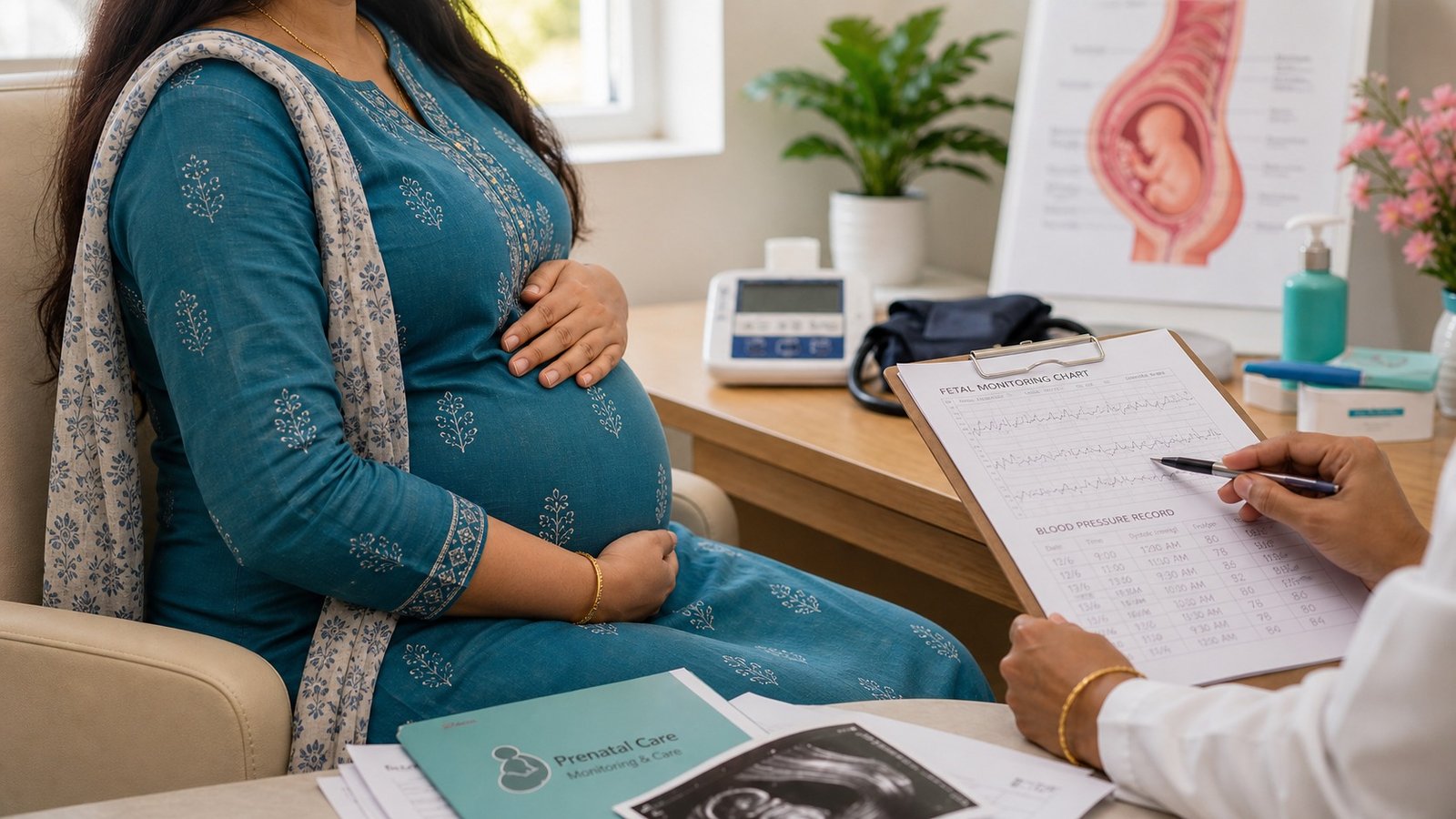
How High-Risk Pregnancy Is Usually Monitored
Monitoring plans vary depending on the underlying condition, trimester stage, and fetal health.
Common pregnancy monitoring methods include:
| Monitoring Method | Purpose |
|---|---|
| Ultrasound Scans | Monitor fetal growth |
| Blood Pressure Monitoring | Detect hypertension risk |
| Blood Sugar Evaluation | Monitor gestational diabetes |
| Fetal Heart Monitoring | Assess baby’s well-being |
| Doppler Studies | Evaluate placental blood flow |
Regular monitoring helps doctors respond earlier if pregnancy complications begin progressing unexpectedly.
Lifestyle Adjustments That May Support Pregnancy Health
Medical treatment is important, but daily lifestyle habits also influence pregnancy outcomes.
Helpful pregnancy care habits may include:
- balanced nutrition
- proper hydration
- adequate sleep
- reduced physical stress
- regular prenatal appointments
- avoiding smoking and alcohol
Women with pregnancy-related hypertension or gestational diabetes may also require dietary modifications and closer monitoring schedules.
According to the World Health Organization (WHO) pregnancy guidelines routine prenatal monitoring plays an important role in reducing preventable pregnancy complications worldwide.
When Should You Consult a High-Risk Pregnancy Specialist?
Certain symptoms during pregnancy should never be ignored.
Seek immediate medical evaluation if you experience:
- severe abdominal pain
- persistent headache
- blurred vision
- vaginal bleeding
- reduced fetal movement
- sudden swelling in hands or face
- early contractions
Women searching for an experienced high-risk pregnancy specialist in Kolkata often seek consultation when pregnancy symptoms begin changing suddenly or routine monitoring identifies possible complications.
Specialized Pregnancy Care Is Not Just About Emergencies
We often see many women arrive feeling frightened after hearing the term ‘high-risk pregnancy’, even when their condition can be managed successfully through regular monitoring and timely medical adjustments
That is not always the case.
In many situations, structured monitoring, medication adjustments, nutritional guidance, and timely intervention help women continue pregnancy safely without major complications.
Experienced gynecologists, Dr. Vinita Khemani often emphasize that early pregnancy monitoring allows many complications to be managed before they become more difficult later in pregnancy.
Looking for Pregnancy Care Support Near Bangur Avenue or Dumdum?
Women experiencing pregnancy-related complications often prefer consulting an experienced gyno doctor in Dumdum for continuous monitoring, personalized pregnancy guidance, and structured prenatal follow-up throughout high-risk pregnancy care.
Timely consultation and regular pregnancy evaluation frequently help reduce unnecessary anxiety while supporting safer maternal and fetal outcomes.
How Emotional Stress Can Affect High-Risk Pregnancy
Pregnancy complications often create emotional pressure not only for the mother but also for the entire family.
Repeated scans, medical tests, dietary restrictions, and uncertainty about delivery can sometimes increase stress levels significantly.
We often encourage patients to:
- maintain open communication with their doctor
- avoid excessive internet misinformation
- focus on structured medical guidance
- prioritize rest and emotional support systems
Mental well-being plays a much larger role in pregnancy health than many people realize.
Frequently Asked Questions About High-Risk Pregnancy
Can a high-risk pregnancy still result in a normal delivery?
Yes. Many women with high-risk pregnancies deliver healthy babies with proper monitoring and timely medical care. Delivery planning usually depends on maternal health, fetal condition, and pregnancy progression. Regular follow-up appointments help doctors make safer delivery decisions throughout pregnancy.
Does gestational diabetes always affect the baby?
No. Many women with gestational diabetes deliver healthy babies when blood sugar levels are properly managed during pregnancy. Dietary control, glucose monitoring, and timely prenatal care play an important role in reducing complications. Your doctor may recommend additional monitoring later in pregnancy if blood sugar levels fluctuate frequently.
When should pregnancy symptoms become a medical concern?
Persistent headache, blurred vision, reduced fetal movement, severe swelling, bleeding, or abdominal pain should always be medically evaluated during pregnancy. Some symptoms may indicate developing complications related to blood pressure, placenta, or fetal health. Women experiencing sudden symptom changes should seek prompt pregnancy assessment instead of waiting for routine appointments.
Can stress increase complications during pregnancy?
Chronic emotional stress may indirectly affect sleep quality, blood pressure, hormonal balance, and overall pregnancy well-being. Stress alone does not automatically cause complications, but unmanaged anxiety can sometimes worsen existing medical conditions. Structured medical guidance and emotional support often help women feel more confident during pregnancy management.
Taking Pregnancy Complications Seriously Without Living in Fear
A high-risk pregnancy diagnosis does not automatically mean something will go wrong. In many cases, the biggest difference comes from early diagnosis, consistent monitoring, and having access to structured medical care throughout pregnancy.
Women experiencing pregnancy-related concerns, existing medical conditions, or previous pregnancy complications often benefit from timely high-risk pregnancy care that focuses on both maternal health and fetal well-being.
For many families, early consultation with an experienced pregnancy specialist provides reassurance, clarity, and a more confident path through pregnancy management.
Have questions about this topic?
Book a consultation with Dr. Vinita Khemani to address your specific concerns and get a personalized care plan.