
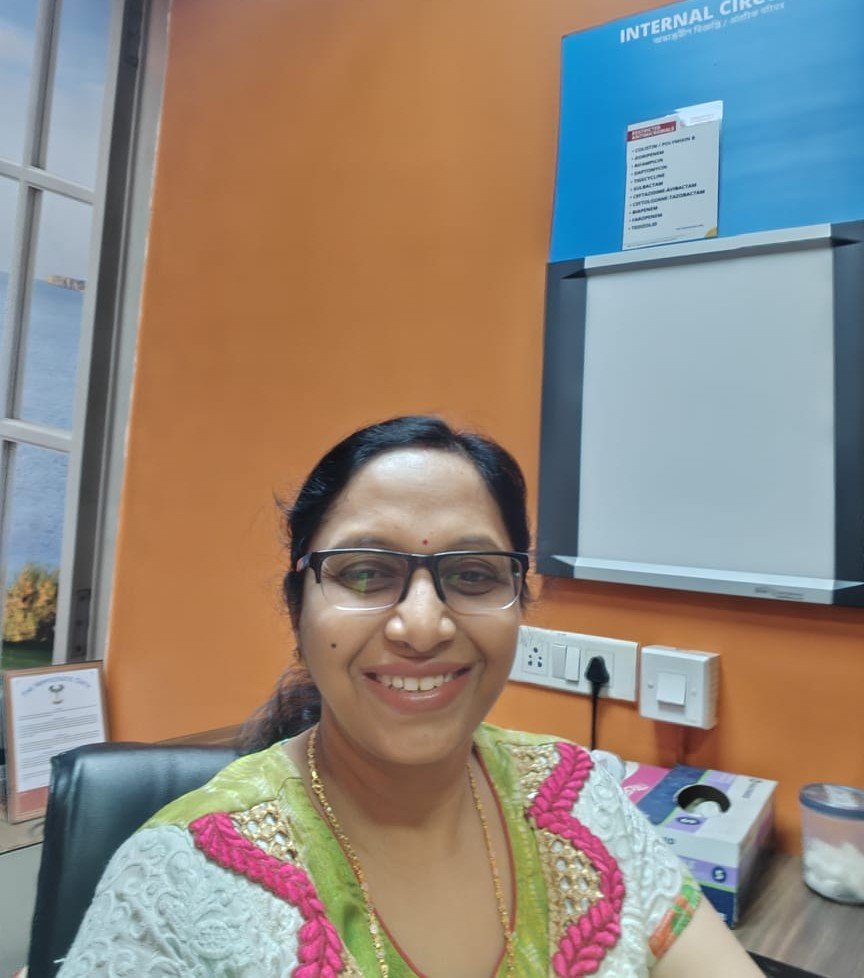
Author / Medical Review Note:
This article should be authored or medically reviewed by Dr Vinita Khemani before publication.
Last Updated: August 2026
When a pregnancy scan says low-lying placenta, it can make the next few months feel uncertain. Many mothers immediately worry about bleeding, bed rest, cesarean delivery, or whether the baby is at risk.
The meaning is not the same for every pregnancy. It depends on the pregnancy week, the placental edge’s distance from the cervix, whether bleeding has happened, previous cesarean history, and what the follow-up scan shows.
At Dr Vinita Khemani’s clinic, women often come with a scan report but no clear explanation of what should happen next. A woman with placenta close to the cervix may need structured high-risk pregnancy care in Kolkata that connects repeat ultrasound findings, bleeding precautions, placenta previa risk, accreta-risk factors, hospital readiness and delivery planning.
Is a low-lying placenta dangerous?
A low-lying placenta is not always dangerous, especially when it is found during the mid-pregnancy scan and there is no bleeding. The concern becomes higher if the placenta remains close to or covering the cervix later in pregnancy, if bleeding occurs, or if there are risk factors such as previous cesarean delivery or uterine surgery.
| What the Doctor Reviews | Why It Matters |
|---|---|
| Pregnancy week | A low placental position seen earlier may change as the uterus grows |
| Distance from the cervix | The closer the placental edge is to the cervical opening, the more delivery planning matters |
| Bleeding history | Painless bleeding after mid-pregnancy needs urgent review |
| Placenta previa | If the placenta covers the cervix, vaginal delivery is usually unsafe |
| Previous cesarean delivery | This can increase concern for placenta accreta spectrum |
| Follow-up scan | Later imaging helps decide whether vaginal birth may be possible |
| Baby’s position | Breech or transverse lie may appear with a low placental position |
| Hospital readiness | Bleeding risk affects where and how delivery should be planned |
The Royal College of Obstetricians and Gynaecologists explains that if the placenta is low at the 20-week scan, a follow-up scan is usually offered at 32 weeks. If the placental edge is less than 20 mm from the cervix at 36 weeks, cesarean birth is usually considered the safest route: RCOG — Placenta Praevia, Placenta Accreta and Vasa Praevia.
Why the pregnancy week changes the meaning
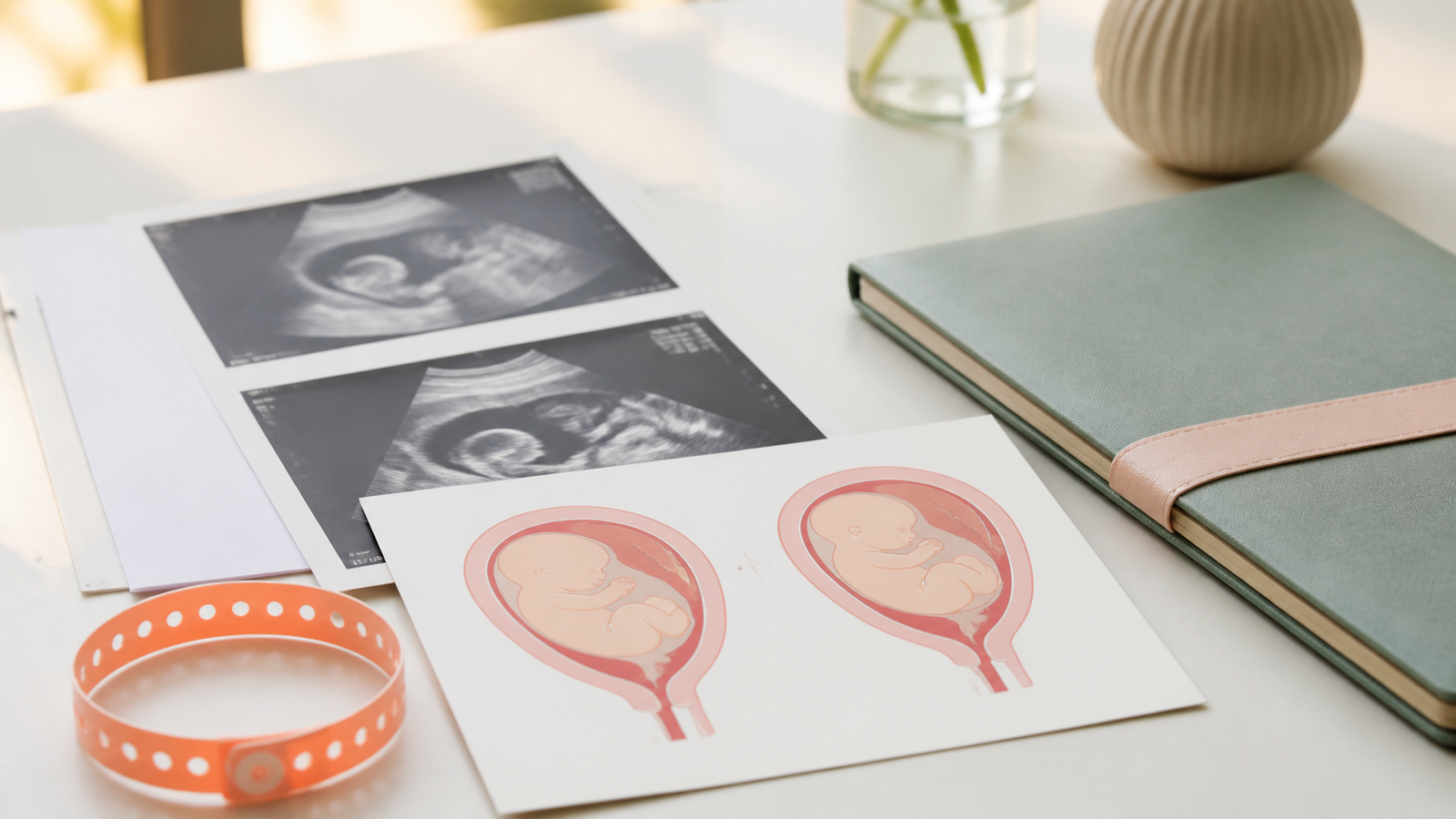
A placenta that appears close to the cervix at 18–22 weeks does not always stay there. As the uterus grows, the lower part stretches, and the placental edge may appear farther away from the cervix on later scans.
This is why one report should not create panic.
The same scan finding at 20 weeks and 36 weeks carries a different meaning. Earlier in pregnancy, the doctor may advise follow-up imaging and bleeding precautions. Later in pregnancy, placental position becomes more important for deciding the safest delivery route.
A common situation looks like this: the anomaly scan mentions that the placenta is close to the internal os, but the mother has no bleeding and the baby is growing well. In that case, the immediate need is usually not fear. It is clear counselling, the right repeat scan timing, and instructions on when to seek urgent care.
What the distance from the cervix tells the doctor
The scan report may mention the distance between the placental edge and the internal os. The internal os is the opening of the cervix inside the uterus.
This measurement matters because the baby passes through the cervix during vaginal birth. If the placental edge remains too close to that opening late in pregnancy, bleeding risk during labor can be higher.
If the placenta covers the cervical opening, it is called placenta previa. That is more serious than a placenta that is only nearby but not covering the cervix.
The useful detail is not only whether the placenta is “low.” The useful detail is the measured distance, the pregnancy week, and whether the placenta is moving away from the cervix over time.
Placenta previa: when the placenta covers the cervix
Placenta previa means the placenta partly or completely covers the cervical opening. This finding needs careful pregnancy monitoring because bleeding can happen suddenly, especially in the second half of pregnancy.
The bleeding is often painless and bright red. It may occur even when the mother felt completely well earlier in the day.
Families searching for placenta previa treatment in Kolkata are usually not looking for one medicine; they need clarity on bleeding precautions, repeat scans, hospital evaluation and delivery planning. Management may include ultrasound follow-up, activity guidance, emergency planning, delivery in a suitable hospital, and a planned cesarean if the placenta remains covering or too close to the cervix.
If bleeding happens, home observation is not enough. The mother should contact her doctor or go to the advised hospital.
Bleeding precautions should be simple and clear
Not every woman with a low placental position will bleed. Still, every woman with this scan finding should know what symptoms need quick action.
Seek medical advice or hospital evaluation for:
- bright red vaginal bleeding
- repeated spotting
- bleeding with pain or contractions
- dizziness, faintness or weakness
- reduced baby movements
- leakage of fluid
- bleeding after intercourse or physical strain
- any heavy bleeding at any time
This is not meant to frighten the mother. It is meant to prevent delay.
At Dr Vinita Khemani’s clinic, bleeding instructions are explained in practical language because families need to remember them under stress. If bleeding starts, do not wait to see whether it becomes heavy. Get medical guidance quickly.
Why repeat scans are part of safe planning
A repeat ultrasound is not just a routine formality. It helps the doctor check whether the placental edge has moved away from the cervix, whether placenta previa remains, whether the baby is growing well, and whether the birth plan needs to change.
Sometimes the doctor may advise a transvaginal ultrasound for better measurement of placental distance from the cervix. Many patients worry about this, but when done by trained professionals for the right indication, it is commonly used to assess placental position accurately.
The decision after the scan is the real point.
If the placenta is no longer close to the cervix, vaginal birth may be possible depending on the full pregnancy picture. If it remains close or covering the cervix, cesarean delivery may be the safer plan.
Previous cesarean and placenta accreta risk
Placenta accreta spectrum means the placenta attaches too deeply into the uterine wall. It is uncommon, but it can cause serious bleeding during delivery.
The concern becomes stronger when placenta previa or a low placental position is found in a woman with previous cesarean delivery, previous uterine surgery, curettage, myomectomy, or other uterine procedures. This does not mean accreta is definitely present. It means the scan and delivery plan need closer review.
ACOG and SMFM note that placenta previa and previous cesarean delivery are important risk factors for placenta accreta spectrum, and women with risk factors should be evaluated by clinicians experienced in ultrasound diagnosis: ACOG — Placenta Accreta Spectrum.
This is one reason a high-risk pregnancy specialist in Kolkata may review the current scan, previous operative notes, placental location, and delivery history together. The placenta cannot be judged in isolation.
When hospital evaluation becomes necessary
Some women only need scheduled follow-up. Others need hospital evaluation, especially after bleeding.
Hospital assessment may include maternal pulse and blood pressure, fetal heartbeat monitoring, ultrasound review, blood tests, blood group confirmation, cross-match if needed, and observation depending on the amount of bleeding.
If the pregnancy is premature and bleeding occurs, the doctor may discuss medicines to help the baby’s lungs mature if early delivery becomes possible. The exact plan depends on pregnancy week, bleeding severity, fetal condition and hospital protocol.
One practical detail matters: know which hospital to go to if bleeding happens at night. Clear emergency planning saves time.
Delivery planning: normal delivery or cesarean?
Delivery route depends mainly on placental position late in pregnancy, bleeding history, baby’s position, previous cesarean history, accreta suspicion, and the mother’s overall condition.
If the placenta moves far enough away from the cervix and there are no other concerns, vaginal birth may be possible. If the placenta remains too close to the cervix or covers it, cesarean delivery is usually safer.
Timing also matters. Planned delivery may be recommended before labor starts in some cases of previa or recurrent bleeding. Emergency delivery may be needed if bleeding is heavy or if the mother or baby becomes unstable.
A high-risk pregnancy doctor in Kolkata should explain the plan early enough so the family understands the delivery hospital, emergency route, blood arrangement needs, and warning signs.
How to prepare for your next visit
Carry your latest ultrasound report, earlier scan reports, blood group details, previous cesarean records, discharge summaries, operative notes if any, and details of any bleeding episode.
Also note the pregnancy week when bleeding happened, whether it was spotting or heavy flow, whether pain or contractions were present, and whether baby movements changed.
These details help the doctor decide whether simple follow-up is enough or whether closer monitoring and delivery planning are needed.
FAQs
Can a low placenta move up before delivery?
Yes, a placenta close to the cervix in the mid-pregnancy scan can appear farther away later as the uterus grows. Follow-up imaging is commonly planned in the third trimester to check the placental edge and delivery safety. Ask your doctor when the next scan is due and what distance from the cervix would change the birth plan.
Is normal delivery possible if the placenta is close to the cervix?
Normal delivery may be possible if the placental edge moves far enough away from the cervix and there are no other pregnancy concerns. If the placenta covers the cervix or remains too close late in pregnancy, cesarean delivery is usually safer. The final decision should be based on the late-pregnancy scan, bleeding history, baby’s position and obstetric assessment.
What should I do if I bleed during pregnancy with placenta previa?
Bleeding with placenta previa needs urgent medical advice or hospital evaluation. The risk is higher after mid-pregnancy, especially if bleeding is bright red, repeated, heavy, or associated with pain, contractions, weakness or reduced baby movement. Do not wait at home to judge the amount; contact your doctor or go to the advised hospital.
Does a previous cesarean make a low placenta more serious?
A previous cesarean can make a low placental position more important because it may increase concern for placenta accreta spectrum when the placenta is near the old scar. This does not mean accreta is definitely present, but it does mean scan review and delivery planning should be more careful. Carry previous cesarean records and current ultrasound reports to your pregnancy specialist.
Your safer next step after a low placenta scan
A placenta close to the cervix is not always dangerous. Many cases found earlier in pregnancy need follow-up rather than fear.
But the finding should not be ignored either, especially if there is bleeding, previous cesarean delivery, placenta previa, suspected accreta, or the placenta remains close late in pregnancy.
The safest next step is clarity. Know the placental distance from the cervix. Complete the repeat scan. Understand bleeding precautions. Plan delivery in the right setting.
If your scan mentions a low placental position or placenta previa, consult Dr Vinita Khemani with your reports. A careful review can help decide whether routine follow-up is enough or whether structured high-risk pregnancy planning is needed.
Medical Disclaimer:
This article is for general patient education only and should not replace personal medical advice, diagnosis, emergency care, ultrasound interpretation or delivery planning. Placental location, placenta previa, bleeding risk, placenta accreta concern, repeat-scan timing, travel restrictions, activity precautions, hospital admission and delivery route depend on gestational age, scan findings, symptoms, previous cesarean or uterine surgery, maternal health and fetal condition. Please consult a qualified obstetrician or high-risk pregnancy specialist for individualized care.
Have questions about this topic?
Book a consultation with Dr. Vinita Khemani to address your specific concerns and get a personalized care plan.