

Periods Every 15–20 Days? When Should You See a Gynecologist?
You finished your period, put away your pads, and expected another few weeks without bleeding. But 12 or 15 days later, it has started again.
You check the dates. Perhaps this has happened before, but you assumed it was stress or a temporary hormonal change.
Now you're wondering whether this is another period or bleeding between periods.
The distinction matters.
Periods every 15–20 days may indicate unusually short menstrual cycles. But bleeding between otherwise regular periods can look similar, even though the causes may be different.
A menstrual calendar can show when something has changed. It cannot explain why.
For women who experience repeated changes in their bleeding pattern, understanding the availablegynecological assessment and treatment options can help them prepare for a medical consultation rather than relying on cycle tracking alone.
Is It Normal to Have Periods Twice in One Month?
Having two periods within one calendar month is not always abnormal, but regularly experiencing cycles just 15–20 days apart is shorter than the usual adult menstrual range. Sometimes what appears to be a second period is actually spotting or bleeding between periods, which needs a different assessment.
The first step is to identify the pattern:
- Short menstrual cycle: Full menstrual-type bleeding begins unusually soon after the previous period started.
- Intermenstrual bleeding: Spotting or bleeding occurs between otherwise predictable periods.
- Prolonged bleeding: One episode continues for longer than usual and may be mistaken for separate periods.
- Unpredictable bleeding: The timing, duration or amount changes considerably from cycle to cycle.
TheAmerican College of Obstetricians and Gynecologists (ACOG) describes adult menstrual cycles of approximately 21–35 days as typical and identifies bleeding between periods or cycles shorter than 21 days as abnormal patterns.
These ranges are general guidance, not a diagnosis. Age, reproductive stage and medical history also matter.
Are You Counting Your Menstrual Cycle Correctly?
One common mistake is counting from the day a period ends rather than the day it begins.
Menstrual cycle length is measured from the first day of one period to the first day of the next.
For example, if bleeding starts on 1 June and the next period begins on 16 June, the cycle is 15 days long.
Now consider someone whose period starts on 1 June, continues for five days and then starts again 15 days after it ended. The next bleeding episode begins around 21 June, making the start-to-start interval approximately 20 days.
Both patterns deserve attention if repeated, but they are not the same interval.
There is another possibility. A woman may have a normal period, followed by a day or two of light spotting halfway through the cycle.
That spotting is not necessarily a second menstrual period.
Before your appointment, note the starting dates of each episode, how many days you bleed and whether the flow is light, moderate or heavy.
What Can Cause Bleeding Every Two or Three Weeks?
Frequent bleeding does not point to one specific condition.
Some causes affect ovulation and hormone patterns. Others involve the uterus, cervix, pregnancy or underlying medical conditions.
The following table explains why the bleeding pattern matters.
Bleeding pattern | What a doctor may consider |
Full menstrual-type flow every 15–20 days | Short cycles, changes in ovulation or hormonal causes |
Light spotting between otherwise regular periods | Cervical causes, hormonal contraception or uterine polyps |
Heavy bleeding with clots | Fibroids, other uterine conditions or ovulatory problems |
Bleeding after intercourse | Cervical or vaginal conditions, including infection where relevant |
Bleeding after a missed period | Pregnancy-related bleeding, including possible complications |
Frequent bleeding with fatigue or dizziness | Possible anaemia from repeated blood loss |
These are possibilities, not diagnoses.
A gynecologist will consider the pattern alongside age, symptoms, medical history and examination findings.
When Hormones Affect the Timing of Your Periods
The menstrual cycle depends on a coordinated hormonal process that controls ovulation and changes in the uterine lining.
When that process becomes irregular, bleeding may arrive earlier than expected, be delayed or appear unpredictably.
This may happen during certain life stages or in association with conditions affecting ovulation.
Stress, significant weight changes, illness and changes in medication can sometimes influence menstrual regularity.
However, repeated bleeding should not automatically be blamed on stress.
Thyroid disorders and other hormonal conditions may also affect menstrual patterns.
The important point is that different problems require different investigations. A woman with frequent bleeding and symptoms suggesting thyroid disease may need a different assessment from someone who experiences spotting after intercourse.
Can Fibroids or Polyps Cause Frequent Bleeding?
Yes. Changes inside the uterus can sometimes cause bleeding that looks like an additional period.
Fibroids are usually non-cancerous growths arising from the muscular wall of the uterus. Depending on their size and position, they may contribute to heavy, prolonged or irregular bleeding.
Polyps are growths that develop from the uterine lining. They can sometimes cause spotting between periods or unpredictable bleeding.
But neither condition can be confirmed simply because bleeding occurs twice in a month.
Ultrasound may help identify fibroids or other structural abnormalities. If history suggests a polyp or a problem inside the uterine cavity, hysteroscopy may be considered.
Hysteroscopy allows the doctor to examine the inside of the uterus using a thin camera.
TheNICE guideline on heavy menstrual bleeding recommends choosing investigations according to symptoms, examination findings and the suspected cause, rather than assuming every patient needs the same tests.
Why Age Makes a Difference
Frequent or irregular bleeding may have different explanations at different stages of life.
During the teenage years
Periods can be irregular while the hormonal system is still maturing.
However, repeated very short cycles, unusually heavy bleeding or symptoms of anaemia should not simply be dismissed as normal teenage changes.
A doctor may consider how long menstruation has been established, the severity of bleeding and whether there are concerns about a bleeding disorder.
During the reproductive years
Pregnancy possibility, contraception, ovulation patterns, uterine conditions and medication history can influence the assessment.
A sudden change after years of predictable periods is worth discussing.
During perimenopause
In the years approaching menopause, hormone levels and ovulation can become less predictable.
Some women notice shorter cycles, while others experience skipped periods or changes in bleeding volume.
But perimenopause should not be used to explain every abnormal bleeding episode without assessment.
Persistent bleeding between periods, increasingly heavy flow or relevant risk factors may require investigation of the uterine lining.
Bleeding after menopause, meaning after 12 consecutive months without menstruation, should always be medically evaluated.
Could Unexpected Bleeding Be Related to Pregnancy?
Yes, and this possibility should not be overlooked.
Early pregnancy bleeding can sometimes resemble a light or unusually early period.
Possible explanations include pregnancy complications such as miscarriage or ectopic pregnancy.
If pregnancy is possible, the doctor may recommend a pregnancy test before deciding which other investigations are needed.
Bleeding accompanied by severe one-sided pelvic pain, shoulder-tip pain, fainting or marked weakness requires urgent assessment, particularly when pregnancy is possible.
Do not assume that a history of irregular cycles rules out pregnancy.
When Frequent Bleeding Causes Anaemia
Bleeding more often than usual can affect your health even if no single episode seems especially heavy.
Over time, repeated blood loss may reduce iron stores and contribute to anaemia.
You may notice that climbing stairs feels more tiring than before. Perhaps you feel dizzy when standing, have frequent headaches or find it harder to manage your normal workload.
These symptoms are not specific to anaemia, but they deserve attention when menstrual bleeding has increased.
A complete blood count can assess haemoglobin and help identify anaemia. Iron studies may also be appropriate when iron deficiency is suspected.
The NICE guideline on heavy menstrual bleeding continues to advise against routine serum ferritin testing for everyone with heavy menstrual bleeding. Iron studies may still be appropriate when iron deficiency is suspected.
The doctor can decide which blood tests are relevant to your symptoms.
Treating iron deficiency may be necessary, but finding out why the bleeding is occurring remains part of proper care.
What Happens During a Gynecological Evaluation?
A consultation usually begins with a conversation about your bleeding history.
The doctor may ask when the pattern changed, whether the bleeding is heavy or light, whether you experience pelvic pain and whether pregnancy is possible.
Recent medication changes, contraception, previous diagnoses and family history may also be relevant.
The examination and investigations depend on what your symptoms suggest.
Clinical finding | Assessment that may be considered | What it helps clarify |
Frequent bleeding with fatigue | Complete blood count and appropriate iron studies | Possible anaemia or iron deficiency |
Unexpected bleeding with pregnancy possibility | Pregnancy test | Whether pregnancy-related causes need attention |
Heavy bleeding or suspected fibroids | Pelvic ultrasound | Uterine structure and possible abnormalities |
Persistent spotting between periods | Cervical assessment or uterine cavity investigation | Possible cervical or endometrial causes |
Symptoms suggesting thyroid dysfunction | Thyroid function testing | Whether thyroid disease may contribute |
Persistent irregular bleeding with relevant risk factors | Endometrial assessment when indicated | Whether the uterine lining needs further investigation |
Not everyone needs all these tests.
For example, thyroid testing is usually guided by symptoms or clinical suspicion rather than ordered automatically for every patient with heavy bleeding.
Similarly, ultrasound does not identify every possible cause of bleeding.
A pelvic examination or internal ultrasound should be explained in advance and performed with appropriate consent.
When Should You See a Female Gynecologist in Kolkata?
If your periods repeatedly arrive every 15–20 days, the pattern is worth discussing even when you feel otherwise well.
Seek an appointment sooner if bleeding is becoming heavier, lasts longer than usual, occurs after intercourse or is accompanied by significant fatigue.
Women seeking a female gynecologist in Kolkata for irregular periods can use a consultation to discuss their cycle history, previous test results and whether further assessment is necessary.
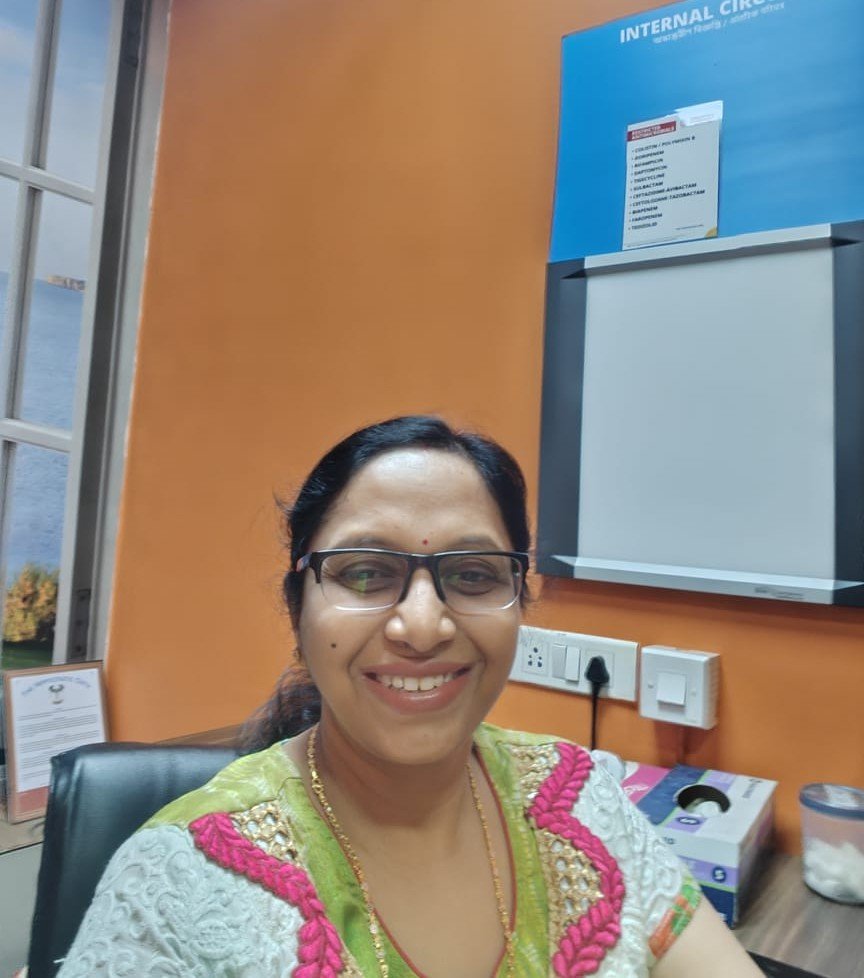
Dr Vinita Khemani provides gynecological care in Kolkata, and her website includes information on menstrual and reproductive health concerns.
A consultation should focus on identifying the bleeding pattern and possible causes before deciding whether monitoring, medication or further investigations are appropriate.
If you are searching for irregular periods treatment in Kolkata, pay attention to whether the proposed assessment addresses your specific symptoms rather than relying on a general treatment package.
When bleeding needs urgent attention
Heavy bleeding accompanied by fainting, severe dizziness, shortness of breath or marked weakness requires urgent medical assessment.
Seek emergency care if you are soaking through a pad every hour for more than two consecutive hours, especially if you also feel unwell.
Severe pelvic pain or heavy bleeding during a possible pregnancy also requires immediate evaluation.
Do not wait for a scheduled consultation if symptoms suggest substantial blood loss or a pregnancy complication.
How Is Frequent Menstrual Bleeding Managed?
Treatment depends on what is causing the bleeding.
Some women may need monitoring or medical management for changes in ovulation. Others may require treatment for a structural uterine condition or another identified medical problem.
If anaemia is present, that may need attention alongside the cause of blood loss.
The doctor's recommendations may also depend on age, medical history, contraception preferences and pregnancy plans.
This is why copying a medicine prescribed to someone else is not appropriate, even when both women describe having periods twice a month.
Treatment decisions should follow an assessment of the underlying problem.
Frequently Asked Questions About Frequent Periods
Is getting my period every 15 days normal?
Periods repeatedly starting every 15 days are shorter than the usual adult menstrual cycle range. This pattern may be associated with changes in ovulation or another cause of abnormal bleeding. Record your cycle dates and arrange a gynecological assessment if it continues.
Why do I bleed again just two weeks after my period?
Bleeding two weeks after a period may represent an early menstrual cycle or bleeding between periods. Hormonal changes, contraception, polyps, pregnancy-related causes and other conditions can produce similar patterns. Note whether the bleeding is spotting or a full menstrual flow and discuss recurrent episodes with a doctor.
Can having periods twice a month cause weakness?
Yes, frequent or heavy bleeding can contribute to iron deficiency and anemia. Symptoms may include fatigue, dizziness, weakness or breathlessness, although some people have few noticeable symptoms. A clinician may recommend a blood count and other tests based on your bleeding history.
Should I get an ultrasound if my periods are coming every 20 days?
An ultrasound may be appropriate when symptoms or examination findings suggest fibroids or other pelvic abnormalities. It is not automatically necessary for every patient with short cycles, and some bleeding patterns require different investigations. A gynecologist can select the appropriate tests after reviewing your history and symptoms.
Your Calendar Shows the Pattern. A Medical Review Can Explain It.
A period-tracking app is useful when you are trying to understand how your cycle has changed.
But knowing the dates is only the beginning.
If bleeding is repeatedly occurring every 15–20 days, record the first day of each episode, its duration, the amount of flow and any associated pain or fatigue.
Mention recent medication changes and whether pregnancy is possible.
Bring that information to your gynecological appointment, along with previous reports and prescriptions.
You do not need to assume that every unusual period signals a serious problem. But repeated frequent bleeding deserves an explanation rather than another month of guessing.
Medical Disclaimer
This article is intended for general health education and awareness only. It does not replace professional medical advice, diagnosis, or treatment. Frequent periods, bleeding between menstrual cycles, or other changes in menstrual patterns can have several underlying causes, and appropriate evaluation depends on individual symptoms, medical history, and clinical findings.
If you experience repeated bleeding every 15–20 days, unusually heavy periods, or persistent menstrual irregularities, consult a qualified gynecologist for proper assessment. Seek urgent medical attention if you experience severe bleeding, fainting, significant dizziness, severe pelvic pain, or bleeding accompanied by a possible pregnancy.
Dr Vinita Khemani recommends that patients seek individualized medical evaluation rather than self-diagnosing or taking medication without professional guidance. Treatment decisions and outcomes vary according to each patient's medical condition.
Have questions about this topic?
Book a consultation with Dr. Vinita Khemani to address your specific concerns and get a personalized care plan.