
Expert PCOS & PCOD Treatment
in Kolkata
It's not just about irregular periods. Dr. Vinita Khemani, one of the city's most experienced gynecologists, offers a comprehensive, evidence-based approach to manage PCOS and PCOD — tackling insulin resistance, fertility, body weight, and emotional well-being together.

PCOS & PCOD
& West Bengal
Polycystic Ovary Syndrome (PCOS) and Polycystic Ovarian Disease (PCOD) affect an estimated 1 in 5 Indian women of reproductive age, making them one of the most prevalent endocrine disorders in the country, and across West Bengal, the prevalence is particularly high — studies published in the Indian Journal of Endocrinology and Metabolism show rates ranging from 3.7% to 22.5% in urban populations, driven by sedentary lifestyles, high-carbohydrate Bengali diets, and increasing professional stress.
What makes PCOS and PCOD particularly challenging for women is the intersection of genetic predisposition, carb-heavy diets (rice, mishti, and traditional sweets being dietary staples), increasing stress levels in urban environments, and cultural stigma around discussing reproductive health openly. Dr. Vinita Khemani has been at the forefront of awareness and treatment for over 23 years, helping thousands of women across West Bengal understand, manage, and overcome from them.
20%
Indian women affected
70%
Cases go undiagnosed
50%
Develop diabetes by 40
10K+
Patients treated
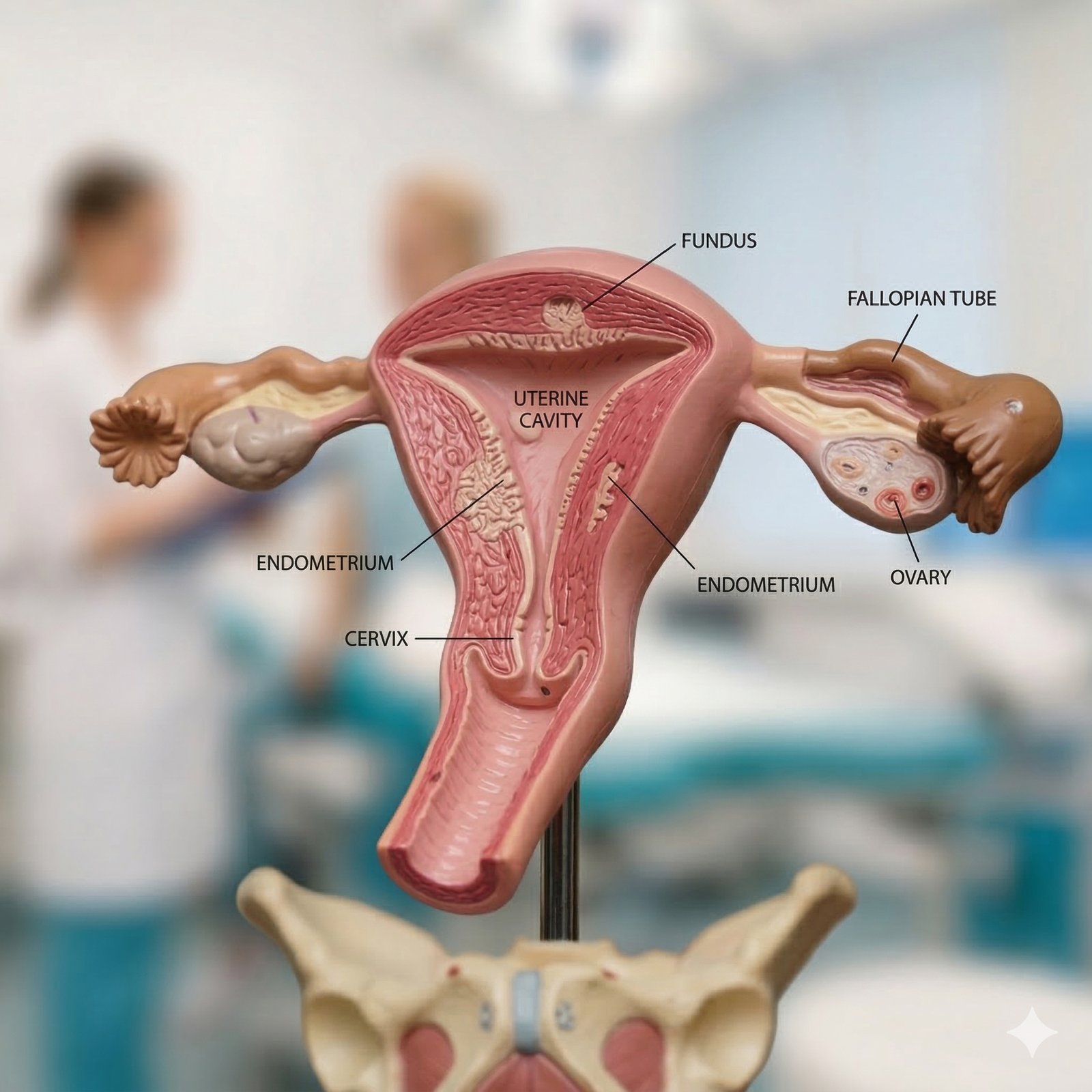
Understanding Why It Happens
PCOS is complex and presents differently in every woman. It often stems from a combination of genetic and environmental factors that disrupt hormonal harmony. Dr. Vinita Khemani's diagnostic approach focuses on identifying the specific root cause in each patient.
.webp)
Insulin Resistance
Up to 70% of women with PCOS exhibit insulin resistance, where cells don’t respond effectively to insulin. The body compensates by producing excess insulin, which directly stimulates the ovaries to release too many male hormones. This hormonal surge disrupts ovulation and causes common symptoms like resistant weight gain and dark patches on the skin. Insulin resistance is particularly prevalent among women and urban West Bengal due to carb-heavy Bengali diets.
Hormonal Imbalance
PCOS creates a disconnect in brain-ovary signaling. Elevated levels of Luteinizing Hormone (LH) prevent eggs from fully maturing and releasing. Instead of ovulating, the follicles remain as small fluid-filled sacs or 'cysts'. Simultaneously, high androgen levels trigger physical symptoms like acne, unwanted facial hair growth, and scalp thinning, which may also affect your chances of conceiving and often requires support through advanced fertility care.
Low-Grade Inflammation
Chronic, low-grade inflammation is a hidden driver of PCOS in many women. This immune system overactivity stimulates polycystic ovaries to produce androgens, independent of body weight. Over time, this inflammatory state worsens hormonal imbalances and significantly increases the risk of developing heart disease, and can exacerbate other inflammatory reproductive conditions like endometriosis.
Genetic Factors
While the exact cause is unknown, genetics play a major role. If your mother or sister has PCOS, your likelihood of developing it is much higher. However, genes are not destiny—environmental triggers like stress, diet, and poor lifestyle choices can 'activate' these genetic predispositions, leading to the onset of symptoms.
PCOS Myths vs Facts
"You can't get pregnant with PCOS."
Most women with PCOS can get pregnant naturally or with simple fertility treatments like ovulation induction.
"PCOS only affects overweight women."
Lean PCOS exists. Thin women can also have high androgens and irregular periods.
"Birth control pills are the only treatment."
Pills manage symptoms but don't cure PCOS. Lifestyle helps reversible management.
"You must have ovarian cysts to have PCOS."
The name is misleading. You can be diagnosed based on irregular periods and hormone levels alone.
Worried About PCOS Symptoms?
Don't wait for symptoms to worsen. Early intervention can prevent long-term complications like diabetes, heart disease, and infertility. Schedule an appointment with Dr. Vinita Khemani at her clinics for a comprehensive health evaluation today.
Could You Have PCOS?
Symptoms vary widely. You don't need to have cysts on your ovaries to have PCOS. If you experience two or more of these signs, consult a PCOS specialist for a clinical evaluation.
Indian Women
Suffer from PCOS symptoms
Early diagnosis prevents long-term complications like Diabetes and Endometrial Cancer.
Accurate PCOS Diagnosis
At her clinics, Dr. Vinita Khemani confirms diagnosis using the internationally recognized Rotterdam Criteria — requiring at least 2 out of 3 markers. A thorough evaluation rules out other hormonal conditions like thyroid dysfunction.
Irregular Periods
Ovulatory dysfunction leading to missed or heavy cycles.
High Androgens
Physical signs (acne, hair growth) or elevated blood levels.
Polycystic Ovaries
Multiple immature follicles are visible on ultrasonography. When they persist or cause pain, ovarian cyst management procedures can be considered.
.jpeg)
Holistic Health
Preventing long-term risks through specialized care.
Long-Term Risks
Untreated PCOS is more than just irregular periods. The chronic hormonal imbalance and inflammation can lead to serious lifelong health complications if not managed early. Dr. Khemani emphasizes preventive screening for all her PCOS patients to detect risks before they escalate.
Type 2 Diabetes
50% risk by age 40 due to insulin resistance.
Heart Disease
Elevated BP and cholesterol increase cardiovascular risk.
Endometrial Cancer
Irregular shedding of lining increases cancer risk.
Depression & Anxiety
Hormonal fluctuations often trigger mood disorders.
Eat Right for
PCOS Reversal
Most Indian diets are carb-heavy (Rice, Roti), which spikes insulin levels. Dr. Khemani recommends a modified Indian diet focusing on portion control and macro-balance.
Home-Cooked
Focus on 'Ghar ka khana' with less oil.
Portion Control
1/2 Plate Veggies, 1/4 Protein, 1/4 Carbs.
Foods to Embrace
Foods to Limit
"Food is the first medicine for PCOS."
Personalized PCOS
Treatment Plan
Hormonal Regulation
Use of Oral Contraceptive Pills (OCPs) or cyclic progesterone to regularize periods and protect the uterus.
Fertility Focus
Ovulation induction agents (Letrozole/Clomiphene) and follicular monitoring for those planning pregnancy.
Insulin Sensitizers
Metformin is prescribed where insulin resistance is a key factor, aiding weight loss and ovulation.
Anti-Androgens & Lifestyle
Medications to block male hormones combined with sleep hygiene and stress management.
Dr. Vinita Khemani's Approach to PCOS Treatment
With over 23 years of experience treating PCOS, Dr. Vinita Khemani's expertise in gynecology and reproductive health follows a structured, multi-phase approach that goes beyond just prescribing medication. Every patient receives a tailored care plan designed to address her unique hormonal profile, lifestyle, and health goals.
Personalized Hormonal Evaluation
Complete hormonal panel including LH, FSH, testosterone, DHEAS, insulin fasting, and thyroid profile to identify your specific PCOS phenotype.
Ultrasound-Based Diagnosis
High-resolution pelvic ultrasound to assess ovarian morphology, follicle count, and endometrial thickness for accurate staging.
Lifestyle & Nutrition Counseling
Customized diet plans adapted for Indian/Bengali cuisine, exercise protocols, and stress management strategies proven to reduce insulin resistance.
Fertility-Focused Planning
For women trying to conceive, structured ovulation induction with follicular monitoring, timed intercourse guidance, or IUI coordination.
Long-Term Monitoring & Follow-Up
Regular follow-ups with metabolic screening, hormone tracking, and treatment adjustments to ensure sustained improvement over time.
Clinic Locations

Neotia Bhagirathi Woman and Child Care Centre
New Town

Charnock Hospital
VIP Road
Apollo Clinic Chinar Park
Chinar Park

Spandan Hospital
Teghoria

ILS Hospitals, Dumdums
Dumdum

30 Minutes Daily
Even moderate exercise can reduce insulin resistance by up to 30%
Exercise & Lifestyle
For PCOS Reversal
Research consistently shows that lifestyle modification is the single most effective first-line treatment for PCOS. A structured exercise program of just 150 minutes per week can significantly improve insulin sensitivity, reduce androgen levels, restore ovulation, and improve mood — often more effectively than medication alone.
Dr. Vinita Khemani recommends a combination of exercises tailored to each patient's fitness level and PCOS type. For Indian women, incorporating traditional practices like Yoga and Pranayama has shown remarkable results in managing stress-related hormonal imbalances.
Brisk Walking / Jogging
30 minutes daily improves insulin sensitivity by up to 25%. Best done in the morning for hormonal balance.
Yoga & Pranayama
Surya Namaskar, Bhujangasana, and Kapalbhati reduce cortisol levels and improve ovarian function.
Strength Training
2-3 sessions per week builds lean muscle mass, which naturally improves metabolism and reduces insulin resistance.
Stress Management
Meditation, adequate sleep (7-8 hours), and reducing screen time before bed are critical for hormonal health.
PCOS & Your
Mental Wellbeing
PCOS is not just a reproductive disorder — it profoundly impacts mental health. Studies show that women with PCOS are 3 times more likely to experience depression and anxiety compared to those without the condition. The hormonal chaos caused by elevated androgens and insulin directly affects brain chemistry, while visible symptoms like acne, hair growth, and weight gain can severely impact self-esteem and body image.
In the Indian context, where societal pressure around marriage, appearance, and fertility is immense, the emotional burden of PCOS can feel overwhelming. Many women and across India suffer in silence because they feel ashamed or believe their symptoms are "normal." Dr. Vinita Khemani takes a compassionate, holistic approach — addressing both the physical and emotional dimensions of PCOS.
Emotional Support at Our Clinic

Why Women Trust Dr. Khemani for PCOS
With over 23 years of clinical experience specializing in PCOS treatment, Dr. Vinita Khemani combines evidence-based medicine with a deeply empathetic approach to patient care across multiple hospitals in West Bengal.
23+
Years Experience
Two decades of specialization in hormonal disorders and reproductive health.
10,000+
Happy Patients
Trusted by thousands of women across Bengal for compassionate, result-oriented guidance for pregnancy care and hormonal health
608+
Successful Surgeries
Including laparoscopic ovarian drilling for PCOS cases resistant to medical management.
Dr. Vinita Khemani's PCOS Philosophy
"PCOS is not a disease to be feared — it is a condition to be understood and managed. Every woman's body tells a different story, and real healing begins when we listen to that story. At our clinic, we don't just prescribe medication; we build a comprehensive wellness plan that addresses diet, exercise, emotional health, and hormonal balance together."
Dr. Khemani is affiliated with leading hospitals including Neotia Bhagirathi Woman and Child Care Centre, Charnock Hospital, and ILS Hospitals, Dumdum, ensuring that patients have access to the latest diagnostic tools and treatment modalities.
Common
Questions
Expert answers from Dr. Vinita Khemani to help you navigate your PCOS journey with confidence.
Dr. Vinita Khemani is one of the most experienced gynecologists for PCOS treatment, with over 23 years of specialization in hormonal disorders and reproductive health. She practices at leading hospitals including Neotia Bhagirathi Woman and Child Care Centre, New Town, Kolkata, Charnock Hospital, and ILS Hospitals, Dumdums, Dumdum, offering evidence-based, personalized PCOS care to thousands of women across West Bengal.
PCOS is a chronic, lifelong condition, meaning it cannot be ‘cured’ in the traditional sense. However, symptoms can be effectively managed and even reversed with the right combination of lifestyle changes, diet, and medical treatment, allowing women to lead healthy, fulfilling lives. Dr. Vinita Khemani’s holistic approach at her clinics focuses on long-term symptom reversal rather than temporary fixes.
The duration of PCOS treatment varies depending on the severity of symptoms and individual goals. Initial hormonal improvements are often visible within 3–6 months of consistent treatment. However, since PCOS is a lifelong condition, ongoing lifestyle management is recommended. Dr. Khemani creates phased treatment plans that progressively reduce medication dependency while building sustainable habits.
The cost of PCOS/PCOD treatment depends on the specific investigations and treatment plan required. An initial consultation with Dr. Vinita Khemani includes a detailed hormonal evaluation and ultrasound assessment. Subsequent costs vary based on whether the treatment involves medication alone, fertility support, or lifestyle counseling. Dr. Khemani’s clinics are affiliated with multiple hospitals across the region, offering flexible options for different budgets.
While often used interchangeably, PCOD (Polycystic Ovarian Disease) is typically a milder condition where ovaries produce multiple immature eggs that turn into cysts. PCOS (Polycystic Ovary Syndrome) is a more severe metabolic and endocrine disorder involving higher androgen levels and elevated risks for diabetes and heart disease. Dr. Vinita Khemani provides precise diagnosis and tailored treatment for both conditions.
Yes, absolutely. PCOS is one of the most treatable causes of infertility. While irregular ovulation makes natural conception harder, treatments like ovulation induction (medicine to stimulate egg release), lifestyle changes, and IUI have very high success rates. Dr. Khemani has helped thousands of women achieve successful pregnancies despite PCOS.
Diagnosis follows the Rotterdam Criteria, requiring at least 2 of 3 signs: 1) Irregular periods, 2) Signs of high androgens (acne, excess hair) or blood tests showing it, 3) Polycystic ovaries seen on ultrasound. At her clinics, Dr. Khemani also conducts comprehensive screening including insulin levels, thyroid function, and metabolic markers for a complete hormonal profile.
More than half of women with PCOS develop Type 2 diabetes by age 40. This is due to insulin resistance, which is particularly common among Indian women. Regular screening and maintaining a healthy weight significantly reduce this risk. Dr. Khemani recommends annual metabolic screening for all her PCOS patients.
Take Control of Your PCOS
Schedule an appointment with Dr. Vinita Khemani for a comprehensive PCOS evaluation and personalized treatment plan at her clinics.